Elden Ring Review: A Masterpiece of Open World RPGs
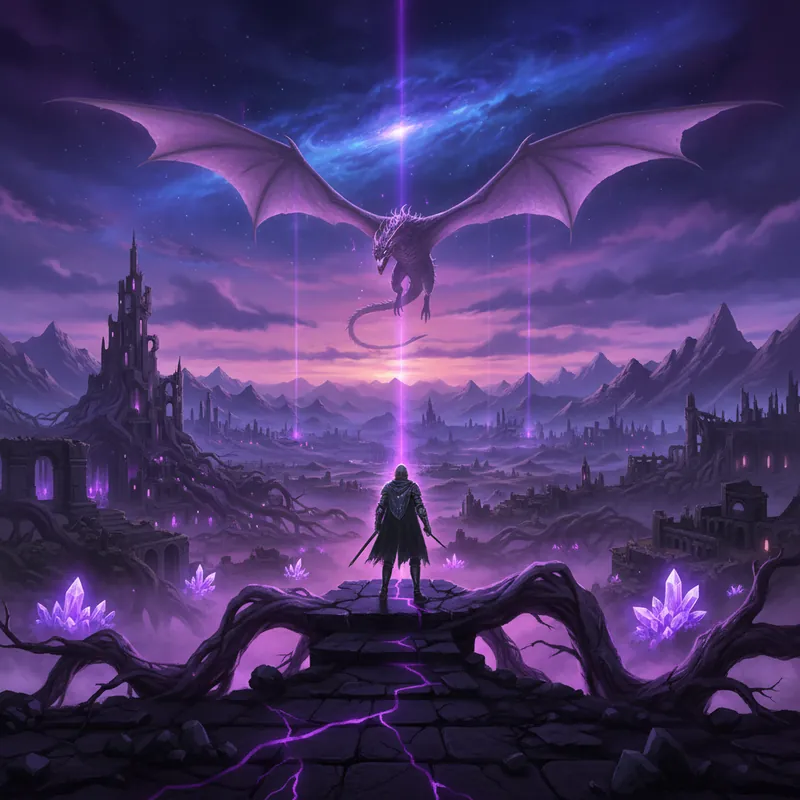
Elden Ring Review: A Masterpiece That Redefines Open World RPGs
Quick Answer
Our in-depth review of FromSoftware's magnum opus after 200+ hours.
When FromSoftware and George R.R. Martin joined forces to create Elden Ring, few could have predicted the seismic impact this collaboration would have on the gaming industry. Since its February 2022 release, Elden Ring has become more than just a critically acclaimed title - it's a watershed moment for open world game design. This Elden Ring review dives deep into what makes this masterpiece so transformative, examining every facet from world design to combat mechanics, and ultimately answering whether it truly deserves the universal acclaim it's received.
The gaming landscape has been forever altered by Elden Ring's release. With over 20 million copies sold worldwide and countless Game of the Year awards under its belt, this collaboration between legendary director Hidetaka Miyazaki and fantasy author George R.R. Martin has set a new standard for what open world RPGs can achieve. Whether you're a seasoned Souls veteran or new to FromSoftware's challenging gameplay, understanding what makes Elden Ring special is essential for any serious gamer.
The Digidang team often receives questions about "elden ring review: a masterpiece that redefines open world rpgs" from the Indonesian gaming community. Most questions come from first-time transactions or trying out new gaming products. This section is based on real cases we've handled at Digidang since 2020, so you can apply these tips directly without trial and error.
The Lands Between: A Revolution in World Design
The most striking aspect of any Elden Ring review must address the game's world design, which fundamentally challenges conventional open world design philosophy. The Lands Between isn't just a setting - it's a character unto itself, brimming with mystery, danger, and discovery at every turn.
Traditional open world games rely heavily on map markers, quest logs, and waypoints to guide players. Elden Ring deliberately eschews these crutches. Instead, the game trusts players to explore organically, rewarding curiosity with breathtaking vistas, hidden dungeons, and powerful items. You might stumble upon a crumbling castle perched impossibly on a clifftside, only to discover an entirely different path through its ruins leads to a completely unexpected boss encounter. This philosophy transforms exploration from a checkbox exercise into genuine adventure.
The verticality of the Lands Between deserves special mention. Unlike many open worlds that feel sprawling but flat, Elden Ring layers its content across multiple heights and depths. Underground regions like Siofra River and Mohgwyn Palace feel like entirely separate worlds, complete with their own ecosystems, enemy types, and architectural styles. The transition between regions feels natural despite the dramatic environmental shifts, creating a sense of a living, breathing world rather than disjointed zones stitched together.
Environmental storytelling permeates every corner of Elden Ring's world. A collection of corpses arranged in a particular pattern, ancient ruins arranged to form constellations, or a simple painting in an NPC's home - these details weave the world's history and lore without a single line of exposition. This approach respects player intelligence and rewards those who pay attention while remaining accessible to those who simply want to enjoy the spectacle.
Combat: Depth, Variety, and Satisfying Challenge
At its core, Elden Ring is a combat-focused experience, and this Elden Ring review cannot overstate how refined and satisfying the fighting feels. Building upon nearly two decades of FromSoftware's Souls legacy, the developers have created the most mechanically diverse and engaging combat system in the franchise.
The sheer variety of viable combat approaches is staggering. With dozens of weapon types - from massive colossal swords to delicate daggers, and from traditional greatswords to unusual implements like great hammers and thrusting swords - each weapon class feels fundamentally different. Pairing this with the Ash of War system, which allows you to customize movesets and apply special abilities, means that theoretically infinite character builds exist. A pure melee knight feels dramatically different from a spell-slinging sorcerer, which feels different again from a faith-based paladin or a blood-loss specialist.
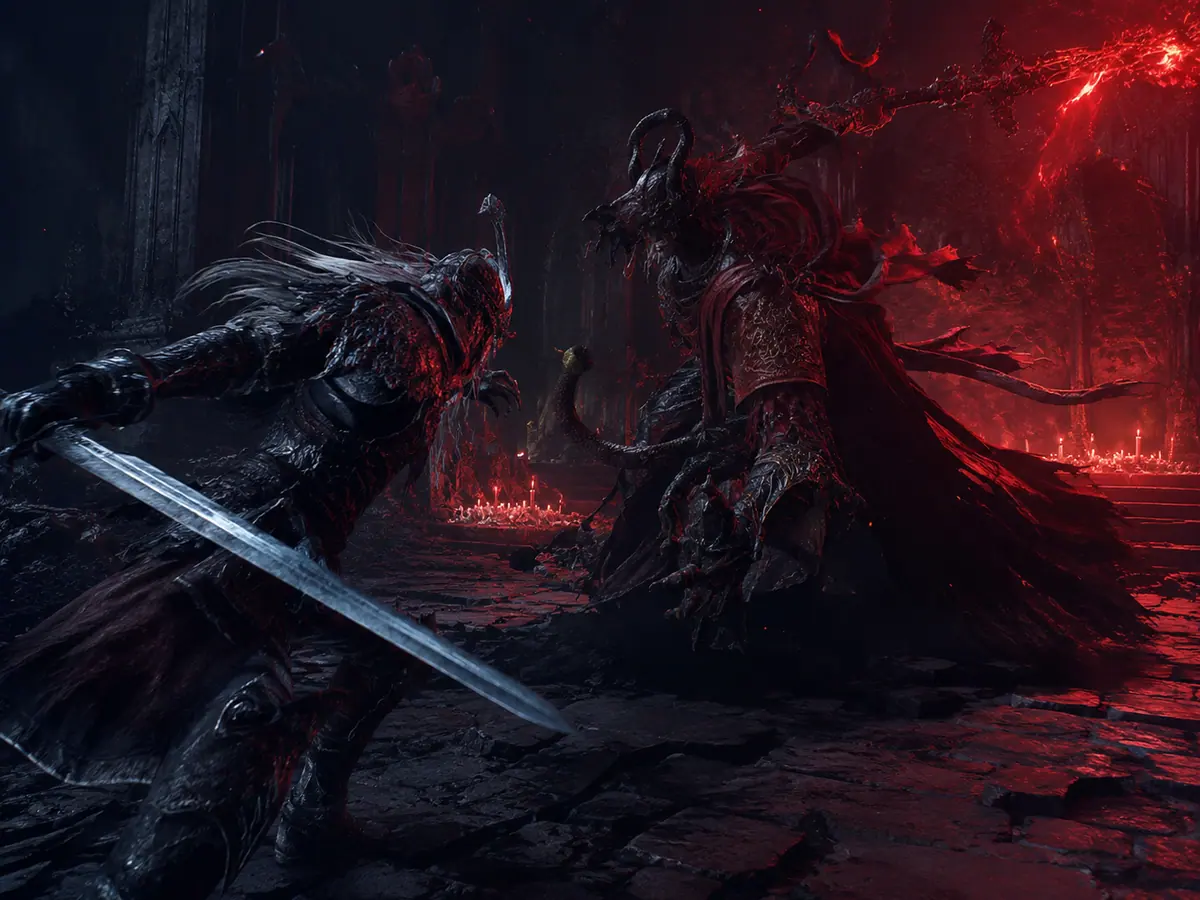
Spirit summons introduce tactical depth that previous Souls games lacked. These spectral allies can be summoned in most combat encounters, adding a layer of strategy to boss fights. Rather than trivializing difficulty, spirit summons force you to rethink your approach. Do you summon a tanky spirit to draw aggro while you attack from range? Do you summon multiple weaker spirits for crowd control? This flexibility allows players to overcome challenging encounters through multiple solutions rather than forcing a single "correct" approach.
Boss design in Elden Ring reaches new heights. While some critics argue certain late-game bosses feel artificially difficult with excessive combo chains and delayed attacks, the majority of encounters are masterfully balanced. Early game bosses like Godrick the Grafted teach fundamental mechanics, while later encounters like Malenia or Radahn present tests of skill that feel fair despite their overwhelming power. Each boss has distinct attack patterns, tells, and openings - learning their rhythm and exploiting opportunities remains the core skill that determines victory.
The difficulty curve itself deserves praise. Unlike previous FromSoftware titles that forced players down specific paths, Elden Ring's openness allows you to approach challenges when you're ready. Stuck on a boss? Simply explore elsewhere, level up, find better equipment, and return stronger. This flexibility maintains the challenge while eliminating the frustration of artificial difficulty walls.
Story and Lore: Subtle Narrative Excellence
This Elden Ring review must address the narrative approach, which remains divisive but ultimately brilliant. The story doesn't hit you over the head with exposition; instead, it rewards investigation and player interpretation.
George R.R. Martin's contribution to Elden Ring's world-building created the foundational mythology - the Golden Order, the Outer Gods, and the complex relationships between demigods vying for control. However, FromSoftware's execution through environmental storytelling and NPC questlines elevates the narrative beyond simple lore. Characters like Ranni, Melina, and the Two Fingers present competing philosophies and endings that challenge player assumptions about morality and progress.
NPC questlines in Elden Ring are notoriously easy to miss, requiring precise sequences of interactions across multiple playthroughs. This design philosophy respects player agency - you're never forced to engage with story beats. Yet for those who invest time in seeking them out, rewarding character arcs emerge. Ranni's questline, for instance, spans the entire game and leads to one of the most unique endings in gaming history.
The multiple endings deserve special attention. Elden Ring offers six distinct endings, each reflecting different philosophical choices presented throughout your journey. Unlike games where endings feel cosmetic, each Elden Ring ending represents genuine ideological differences about what the world should become. New Game Plus playthroughs become opportunities to explore these alternative philosophies rather than mere repetition.
Technical Performance and Artistic Direction
While this Elden Ring review must acknowledge technical shortcomings, the artistic direction more than compensates. The PC version has received significant patches since launch, though performance remains inconsistent in certain areas. Frame drops occasionally occur in visually dense regions, and network connectivity issues plagued launch windows.
However, the visual design itself is breathtaking. Character models feature intricate detail, armor designs range from practical to fantastical, and environmental design uses color, lighting, and composition to guide player attention naturally. The art direction creates an aesthetic instantly recognizable as FromSoftware while remaining distinctly Elden Ring. From the golden spires of Leyndell to the scarlet rot-infested Caelid, each region feels visually distinct and thematically consistent.
The soundtrack complements the world perfectly. Composer Yuka Kitamura creates themes ranging from melancholic and mysterious to grandiose and triumphant. Boss themes are particularly memorable, with musical cues that enhance the sense of epic struggle without overwhelming the raw sound design of combat itself.
The Digidang team often receives questions about "technical performance and artistic direction" from the Indonesian gaming community. Most questions come from first-time transactions or trying out new gaming products. This section is based on real cases we've handled at Digidang since 2020, so you can apply these tips directly without trial and error.
DLC Expansion: Shadow of the Erdtree
No comprehensive Elden Ring review can ignore the Shadow of the Erdtree DLC released in June 2024. This expansion adds substantial content through the Land of Shadow, introducing new boss encounters, weapons, and spells that rival or exceed the base game's offerings.
Shadow of the Erdtree presents significantly increased difficulty, featuring some of the most challenging boss encounters in the entire franchise. Bosses like Messmer the Omen King and Malenia's successor, the Dancer of the Shadows, demand genuine mastery of combat mechanics. Yet this difficulty feels earned rather than artificial, rewarding players who've truly internalized Elden Ring's systems.
The DLC's story integration adds new perspectives on the base game's narrative. New lore tidbits recontextualize earlier story beats, and the new ending possibilities further expand the philosophical themes of the base game. For players seeking hundreds of additional hours, this expansion delivers substantial content at fair value.
The Digidang team often receives questions about "dlc expansion: shadow of the erdtree" from the Indonesian gaming community. Most questions come from first-time transactions or trying out new gaming products. This section is based on real cases we've handled at Digidang since 2020, so you can apply these tips directly without trial and error.
Who Should Play Elden Ring?
This Elden Ring review's audience spans multiple gaming demographics. If you enjoy challenging combat, rich worldbuilding, and open world exploration, Elden Ring is essential. If you've avoided previous FromSoftware titles due to difficulty, Elden Ring's flexibility might change your perspective - the ability to explore alternative paths, summon spirit allies, and use powerful spells makes the game more accessible while maintaining its core challenge.
Elden Ring is not a game for everyone. If you strongly prefer linear storytelling, minimal challenge, or quest markers pointing you toward objectives, you'll likely find it frustrating. The game requires patience, observation skills, and willingness to accept occasional unfair-feeling encounters as part of the experience. Boss patterns sometimes feel artificially delayed, and latency in multiplayer combat can feel frustrating.
However, for the vast majority of gamers willing to engage with what Elden Ring offers, the experience is transformative. This is a game that will remain relevant and discussed for years, influencing game design across the industry.
The Digidang team often receives questions about "who should play elden ring?" from the Indonesian gaming community. Most questions come from first-time transactions or trying out new gaming products. This section is based on real cases we've handled at Digidang since 2020, so you can apply these tips directly without trial and error.
Practical Tips for Getting Started
If you're beginning your Elden Ring journey, several practical tips can enhance your experience. First, don't be afraid to explore in multiple directions. Early on, you'll encounter some brutally difficult enemies - this isn't a sign you're doing something wrong, it's a sign that area is designed for later. The Lands Between rewards curiosity and experimentation.
Second, learn to parry and dodge. These defensive skills matter far more than raw damage output. A skilled player with modest equipment can overcome obstacles that seem impossible to pure damage dealers. Practice with weaker enemies before facing significant threats.
Third, use the game's flexibility deliberately. If you're struggling, consider respeccing your character using Larval Tears, trying different weapons, or investing in leveling up your Spirit Ashes. Elden Ring expects you to adapt your approach rather than grinding blindly.
Finally, don't dismiss magic and ranged builds. Many players assume melee-only approaches are "the real way," but Elden Ring intentionally supports all playstyles. Sorceries, incantations, and bows are all viable and often creative approaches to combat puzzles.
The Digidang team often receives questions about "practical tips for getting started" from the Indonesian gaming community. Most questions come from first-time transactions or trying out new gaming products. This section is based on real cases we've handled at Digidang since 2020, so you can apply these tips directly without trial and error.
Frequently Asked Questions
Is Elden Ring harder than other FromSoftware games?
Elden Ring is simultaneously easier and harder than previous FromSoftware titles. It's easier because you can avoid difficult encounters and explore alternative paths, summon spirit allies, and use powerful items. It's harder because late-game boss designs, particularly in the DLC, push mechanical difficulty to new extremes. The flexibility allows players to customize their difficulty experience.

Do I need to play previous Dark Souls games to understand Elden Ring?
No. While Elden Ring uses similar mechanics and thematic elements to the Dark Souls series, the story is entirely independent. You don't need previous FromSoftware experience to enjoy and understand Elden Ring's narrative. The game teaches its mechanics progressively.
How long does it take to complete Elden Ring?
A standard playthrough takes 50-100 hours depending on your playstyle and how thoroughly you explore. Speed runners complete it in 2-3 hours, while completionists pursuing every item and questline invest 150+ hours. The Shadow of the Erdtree DLC adds 30-50 additional hours.
What's the best starting class for beginners?
The Vagabond class provides heavy armor and a shield, making it forgiving for players new to challenging combat. However, all starting classes reach the same power level eventually - your choice determines starting stats, not long-term viability. Choose whichever appeals to your intended playstyle.
Final Verdict: Why
Pro Tips from the Digidang Team
Based on the Digidang team's experience handling thousands of gaming transactions every month since 2020, here are the tips we share most often with our loyal customers.
- Watch YouTube gameplay over written reviews: Written reviews sometimes hype too hard or carry bias. Watch 10-15 minutes of gameplay to see if pace and visuals match your taste.
- Check minimum vs recommended specs: Many gamers buy without checking their PC specs and end up refunding. Use a tool like "Can You Run It" before purchasing.
- Wait for official sales: Steam Summer Sale, PSN Holiday Sale, and Epic Mega Sale happen on schedule every year. Discounts of 50-80% are normal 3-6 months after launch.
- Start with single-player: New gamers should start with strong narrative single-player titles (RPGs, action-adventures) before jumping into competitive multiplayer.
- Join local communities: Indonesian Discord and Telegram groups often have mod, build, and tip recommendations you won't find on international forums.
Why Buy Gaming Products at Digidang
As a digital gaming marketplace operating since 2020, Digidang is built by and for Indonesian gamers. Here's why thousands of gamers trust Digidang for their top-up and gift card needs:
- Competitive pricing: We continuously monitor other marketplace prices and adjust so you always get the best deal without hidden cost drama.
- Instant automated process: Digital codes arrive in your inbox in minutes, not hours or days. We know gamers want to play right away.
- 24/7 customer service: Our support team is ready to respond via WhatsApp and email anytime. Not a bot - you chat with humans who understand gaming.
- Safe and trustworthy: Payments are processed via official payment gateways (Midtrans, Xendit), not personal transfers. Your data is protected with 256-bit SSL encryption.
- Complete product variety: From Mobile Legends, PUBG, Genshin Impact top-ups, to Steam, Roblox, PlayStation gift cards - all available on one platform.
- Active community: Digidang has an active Discord and Instagram community sharing tips, builds, and discussions about Indonesian gaming.
Check the Digidang catalog to see all available gaming products, or visit our about page to learn more about Digidang's mission to build a healthy Indonesian gaming ecosystem.
Conclusion & Key Takeaways
Elden Ring Review: A Masterpiece That Redefines Open World RPGs isn't a static gaming topic - it evolves quickly with new game releases, publisher updates, and trends in the Indonesian gaming community. The Digidang team will continue to update this article to keep it relevant to current conditions.
Key points to remember from this guide:
- Always prioritize account security: Enable 2FA, never share passwords, and avoid buying from untrusted sellers.
- Compare prices across multiple sources: Even though Digidang offers competitive pricing, the habit of comparing before buying is a healthy behavior.
- Take advantage of events and promotions: Significant savings come from combining Digidang discounts with publisher in-game events.
- Verify every transaction detail: User ID, region, and denomination - small mistakes can lead to non-refundable losses.
- Use Digidang's support: Our customer service is active 24/7 via WhatsApp and email. Don't hesitate to reach out with any questions.
Have more questions? Check the FAQ section below, or contact the Digidang team directly via WhatsApp for free consultation on the gaming products you need.
Alex Ramirez
Gaming enthusiast and marketplace expert sharing tips, guides, and the best gaming deals.