amiibo and Toys-to-Life: Figures That Unlock Content
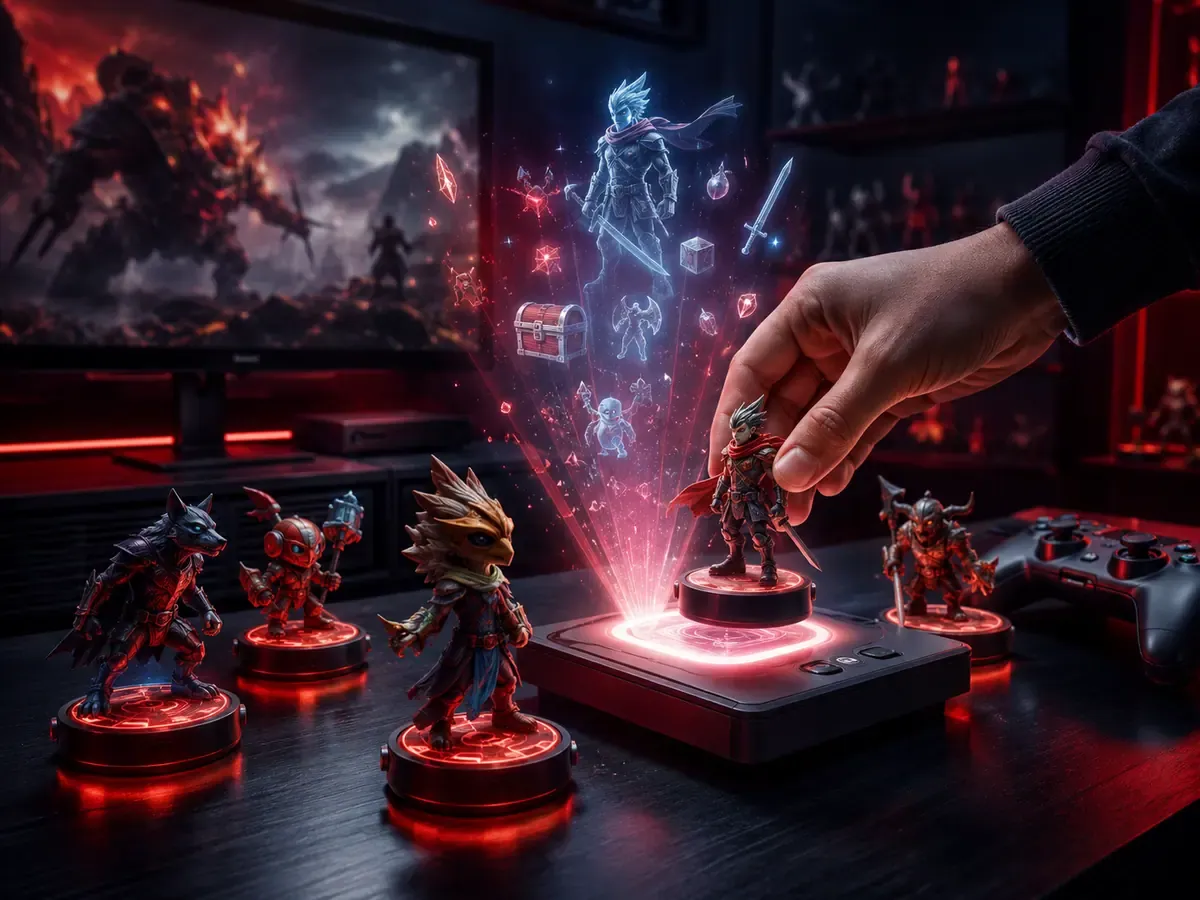
amiibo and toys-to-life are physical figures and accessories that connect to a video game and unlock in-game content, usually through a small wireless chip embedded in the base of the toy. The basic idea is simple and a little magical: you place a real object onto a reader or tap it against a controller, and the game responds by spawning a character, granting an item, saving progress, or loading a level. For a stretch of years this concept was one of the biggest forces in the industry, blending the worlds of collectible toys and interactive games. This guide explains how toys-to-life works, where it came from, why it rose so quickly, why most of it faded, and why amiibo in particular has quietly outlasted the trend that created it.
How Toys-to-Life Actually Works
At the heart of nearly every toys-to-life product is a technology called near field communication, or NFC. NFC is the same short range wireless standard used in contactless payment cards and transit passes. A tiny chip inside the figure stores a small amount of data, and when the figure comes within a centimeter or two of a compatible reader, the reader can both identify the toy and write new information back onto it. There is no battery in the figure itself, because the reader supplies the small amount of power needed during that brief tap.
What the game does with that connection varies by design. In some systems the figure is essentially a key that tells the game which character or item to load, while the actual save data lives on the console or in the cloud. In others, a portion of the figure's own memory is used to store progress, so your leveled up character literally travels with the toy. This is why you could, in certain games, bring your figure to a friend's house and keep your upgrades. The combination of identity and writable memory is what made the genre feel so personal and tactile.
The Birth of the Genre
The toys-to-life concept reached the mainstream with the launch of a franchise that paired a portal accessory with a roster of collectible characters. Players set figures on a glowing base connected to the console, and those characters appeared inside the game. The hook was powerful for families, because it merged the long established appeal of collecting toys with the interactivity of modern gaming. Each new figure was both a physical object a child could hold and a tangible upgrade to the digital experience.
The commercial success was enormous and immediate. Publishers realized that a single game could generate ongoing revenue not just from the software but from a steady stream of figures, expansion packs, and special editions. That recurring sales model was deeply attractive, and it triggered a rush of competitors eager to claim a slice of the market. Within a few years, several major franchises had launched their own toys-to-life lines, each with its own portal, its own figures, and its own promise of physical play that bled into the screen.
amiibo and the Nintendo Approach
Nintendo entered the space with amiibo, a line of figures and cards based on its enormous catalog of characters. Rather than requiring a dedicated portal, amiibo used the NFC reader built directly into Nintendo's controllers and handhelds, so a simple tap was enough to make the connection. This lowered the barrier for players who already owned the hardware and made the figures feel like a natural extension of the system rather than a separate ecosystem you had to buy into.
Crucially, amiibo were designed to work across many different games rather than being tied to a single title. The same figure might unlock a costume in one game, a training partner in a fighting game, a helpful companion in an adventure, and decorative or functional bonuses elsewhere. Because Nintendo's characters are beloved as collectibles in their own right, many people bought amiibo simply to display them, treating the in-game function as a bonus rather than the main reason to own them. That dual appeal, part collectible and part game accessory, gave amiibo a sturdier foundation than rivals that depended entirely on one game's success.
Why the Genre Rose So Fast
The rapid rise of toys-to-life came down to a near perfect alignment of incentives. For players, the figures offered a way to make a favorite character feel real and to extend the play experience off the screen. For collectors, the steady release of new sculpts, rare variants, and exclusives scratched the same itch as trading cards or action figures. For parents, the toys made convenient and easy to understand gifts that doubled as game content. And for publishers, every figure sold was extra margin on top of the base game.
The presentation also helped. Many figures were genuinely well made, with detailed sculpts and vibrant paint that looked good on a shelf even when the console was off. Marketing leaned heavily into the collect them all message, encouraging players to complete sets and chase limited editions. For a while the formula seemed unstoppable, and the category grew into one of the most lucrative segments of the games business, with figures appearing on store shelves around the world.
Why Most Toys-to-Life Faded
The same factors that fueled the boom eventually contributed to its decline. As more franchises piled in, store shelves filled with competing portals and figures, and shoppers grew confused and fatigued. Maintaining a toys-to-life line was also expensive, requiring constant manufacturing, distribution, and the design of new content for each wave of figures. When sales softened, the high cost of keeping a line running made it hard to justify continuing.
There was also a deeper shift in how games were sold. The industry moved steadily toward digital distribution, downloadable content, and in game purchases, all of which let publishers sell add ons without manufacturing a single physical object. Compared to producing, shipping, and stocking plastic figures, selling digital content was cheaper, faster, and free of inventory risk. The toys-to-life model, which depended on physical goods, started to look heavy and old fashioned next to the flexibility of digital storefronts. One major franchise after another wound down its figure lines, and the genre that had once dominated end caps quietly receded.
Why amiibo Outlasted the Trend
While dedicated toys-to-life franchises faded, amiibo endured, and its survival reveals what the genre got right and wrong. amiibo never depended on a single game, so the failure of any one title did not threaten the whole line. The figures used hardware that players already owned, avoiding the cost and clutter of a separate portal. And because Nintendo's characters carry strong nostalgic and collectible value, the figures sold even to people who barely used their in game features.
Just as important, Nintendo kept amiibo support lightweight. In most games an amiibo unlocks a modest bonus rather than being required to access core content, so players never felt forced to buy them, yet fans who wanted a little extra had a reason to tap. This restraint kept amiibo from collapsing under its own weight the way more aggressive, figure dependent franchises did. The result is that amiibo became less a separate business and more a long running accessory that complements the broader Nintendo ecosystem.
The Lasting Legacy of Toys-to-Life
Even though the boom has passed, the ideas behind toys-to-life live on. The notion of a physical object that carries digital identity and unlocks content shaped later experiments in cross media play, and the tap to connect convenience of NFC remains a familiar interaction. Collectors continue to trade and display figures from the genre's heyday, and some of the rarer pieces hold real value among enthusiasts who remember the era fondly.
For today's players, the practical takeaway is to understand what you are actually buying. A toys-to-life figure is part collectible and part game key, and its in game usefulness depends entirely on whether the games you play support it. amiibo remain the most relevant example, useful across many Nintendo titles and appealing as standalone collectibles. The genre may never return to its peak, but it left a clear mark on how the industry thinks about blending the physical and the digital.
A Practical Checklist Before Buying an amiibo
If you are buying an amiibo mainly for gameplay, start with the exact game rather than the figure. Check the official support page or the game menu to confirm what the figure unlocks, whether the reward is reusable, and whether the game supports every figure in that character family. This prevents the most common disappointment: purchasing a collectible that works, but only provides a small cosmetic item in the game you actually play.
Condition matters differently for players and collectors. A loose figure is usually the practical choice when your goal is scanning and playing. A sealed figure may carry more collector appeal, but paying a premium for unopened packaging adds no gameplay value. Also inspect the base and packaging photos carefully when buying from a marketplace. The NFC component sits in the base, so heavy physical damage or an altered base deserves extra caution.
Buyer checklist
Confirm game compatibility, decide between loose and sealed condition, compare total delivered price, review clear photos of the base, and keep proof of purchase until the first successful scan.
Finally, separate utility from collecting. A figure can be worthwhile because you like the character even when its in-game reward is modest. The opposite is also true: a strong unlock does not automatically make an expensive figure a good purchase. Set a budget before browsing and compare the figure's practical benefit with ordinary downloadable content. In our view, amiibo works best when the physical object itself is something you would enjoy displaying. The digital bonus should be treated as an extra, not the only reason to buy.
After receiving the figure, test it promptly on supported hardware. If the scan fails, remove any thick protective case around the controller area, place the base flat on the marked NFC touchpoint, and try again from the game screen that specifically accepts amiibo. A quick test gives you time to resolve a seller issue while the transaction record is still available.
FAQ
What is the difference between amiibo and toys-to-life?
Toys-to-life is the broad category of physical figures that unlock in-game content, while amiibo is Nintendo's specific line within that category. The biggest practical difference is that amiibo work across many games using the NFC reader built into Nintendo controllers, rather than needing a dedicated portal tied to one franchise.
How do amiibo connect to a game?
amiibo use near field communication, the same short range wireless technology as contactless payment cards. You tap the figure against the NFC reader in a Nintendo controller or handheld, and a chip inside the figure identifies it to the game so the system can load the matching character, item, or bonus.
Do amiibo store data on the figure itself?
It depends on the game. Many uses simply read the figure as an identifier while progress is saved on the console, but some titles write data onto a portion of the figure's memory. In those cases a leveled up character can travel with the toy, which is why you sometimes can only have one such save per figure at a time.
Why did most toys-to-life franchises stop making figures?
Several factors combined. Shelves became crowded with competing lines, manufacturing and distribution were expensive, and the industry shifted toward digital downloads and in game purchases that let publishers sell add ons without producing physical objects. When figure sales softened, the high cost of keeping a line running was hard to justify.
Are amiibo required to play Nintendo games?
No. In nearly all cases an amiibo unlocks an optional bonus rather than essential content, so you can play and finish the games without owning any. The figures are best thought of as an extra layer for fans and collectors rather than something you must buy to enjoy a title.
Can old amiibo still work on newer Nintendo hardware?
Generally yes, because amiibo rely on a standard NFC chip rather than game specific electronics. As long as the new hardware includes an NFC reader and the game you are playing supports amiibo, older figures usually continue to function, which adds to their appeal as long lasting collectibles.
Are toys-to-life figures worth collecting today?
That depends on your goals. As game accessories their value rests on whether current games support them, which is strongest for amiibo. As collectibles, well made figures and rare variants from the genre's heyday can still be desirable, so many people collect them for display and nostalgia rather than for their in game features.
Digidang Team
Gaming enthusiast and marketplace expert sharing tips, guides, and the best gaming deals.