What Is Animation Canceling in Games and Why Pros Use It
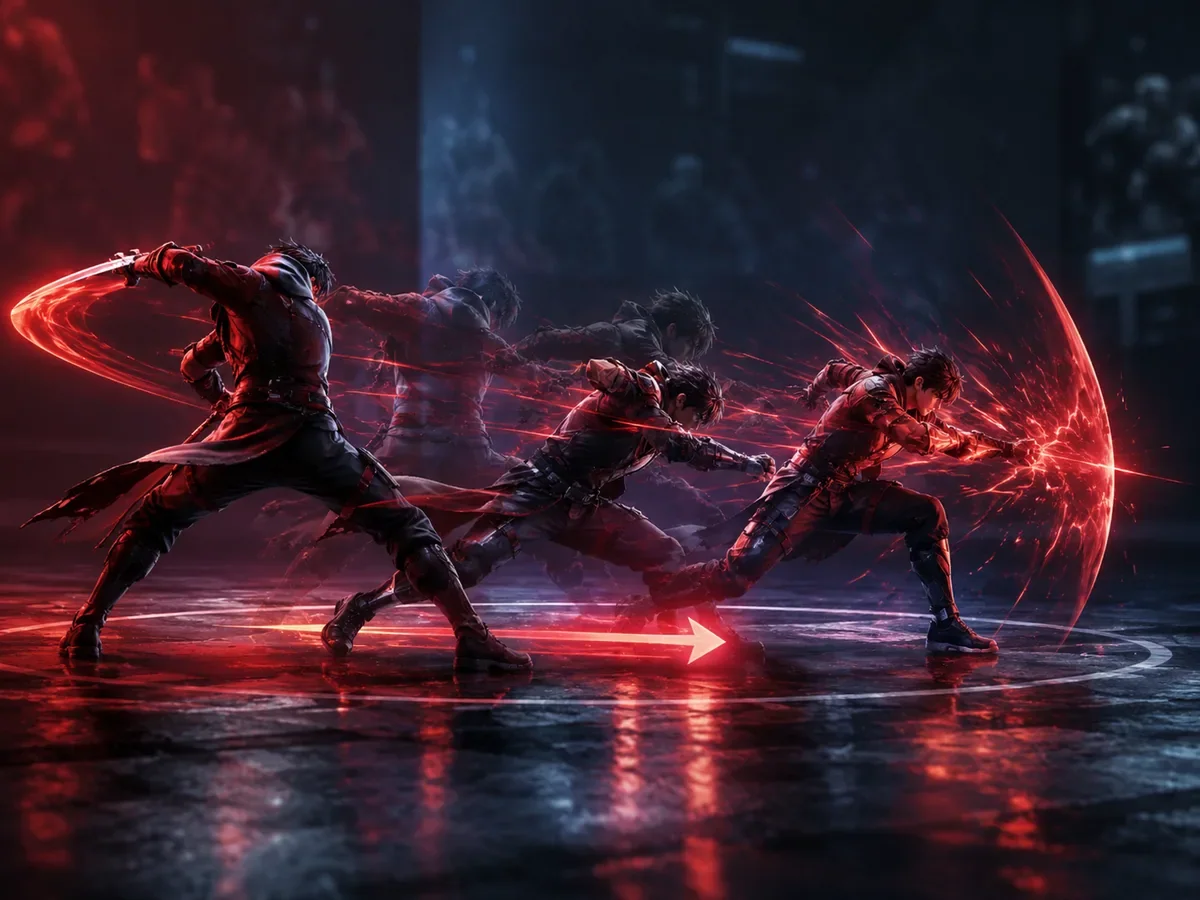
Animation canceling in games is the technique of cutting a character's animation short so the next action can begin sooner than the normal sequence would allow. Instead of waiting for a move to fully play out, you interrupt the slow recovery part and immediately flow into another attack, a dodge, or a reposition. The payoff is more actions in less time, which usually translates into higher damage per second, tighter combos, and crisper movement. It is one of the defining skills that separates a casual player from someone who truly understands their game, and it appears across fighting games, action titles, and massively multiplayer online games alike.
What Animation Canceling Actually Means
To understand canceling, you first have to understand how a single action is built. Almost every move in a game is split into three phases. The startup is the wind up before anything happens, the active phase is the moment the move actually deals damage or interacts with the world, and the recovery is the tail end where your character is locked in place, finishing the swing or resetting to a neutral stance. During recovery you usually cannot do anything else, and that idle time is pure wasted potential.
Animation canceling targets exactly that wasted time. By feeding a new input during a specific window, you tell the game to abandon the leftover recovery and jump straight into your next action. The slow tail of the previous move simply disappears, replaced by the startup of the new one. The result is a shorter gap between your inputs and your outputs, so the same string of moves resolves faster and your character feels far more responsive and aggressive.
Why Canceling Increases DPS and Enables Combos
The most obvious reward for canceling is raw speed. If a move takes a long time to recover and you cancel that recovery away, you can perform your follow up much sooner. Stack dozens of these tiny savings across a fight and the difference becomes enormous. In games where damage output over time is the goal, trimming recovery frames directly raises your damage per second because you are simply landing more hits in the same span of time.
Combos are the second major reason canceling matters. Many of the longest and flashiest combos in fighting and action games are physically impossible without it. A normal attack on its own might leave you too exposed or too slow to continue, but canceling its recovery into a special move keeps the opponent locked in a chain of hits with no chance to escape. Canceling is the glue that connects individual moves into one continuous, devastating sequence, and learning where the cancel windows are is the foundation of advanced offense.
Animation Canceling in Fighting Games
Fighting games are where the technique is most formalized, because they are built almost entirely around precise timing. Players study what is called frame data, the exact number of frames each phase of a move lasts, to find the windows where a cancel is allowed. A typical example is canceling a normal attack into a special move. The normal hits, and during its recovery you input the special, which interrupts the recovery and chains directly into a stronger follow up that the opponent cannot block out of.
Different series have their own flavors of this. Some games allow you to cancel into a powerful super move at the end of a combo for a big finisher. Others let you cancel one move into a dash or a sidestep to keep pressure on a defending opponent and avoid being punished. The common thread is that the cancel window is often tight and demands practice in training mode, but mastering it unlocks the deep, expressive combo systems that make the genre so rewarding to study.
Animation Canceling in Action Games and Action RPGs
Single player action games and action role playing games use canceling to preserve flow and maximize aggression against the computer. In stylish character action titles, the whole appeal is chaining attacks into one seamless, beautiful sequence without dead time. Players cancel the recovery of a heavy attack into a faster light attack, a dodge, or a taunt, keeping the combo meter climbing and the enemy under constant pressure rather than waiting around for a slow swing to finish.
Modern third person action adventures often let you cancel heavy attacks into dodges or parries. This is both offensive and defensive. You commit to a big, slow attack to deal damage, but if an enemy suddenly winds up to strike back, canceling that recovery into a dodge or block lets you stay safe instead of eating a hit. The skill becomes a rhythm of pushing your offense as far as it will go, then cancelling to safety the instant the situation changes, which keeps you both dangerous and survivable.
Animation Canceling in MMOs and Online RPGs
In massively multiplayer online games, canceling usually takes the form of weaving and rotation optimization. Many of these games have a global cooldown, a short timer after each main ability before you can use another, and the animations for those abilities sometimes lock you in place longer than the cooldown itself. Skilled players input their next ability the instant the cooldown is ready rather than waiting for the full animation to visually complete, effectively cancelling the leftover animation lock and squeezing more abilities into every minute.
Some games also have abilities that operate outside the global cooldown, and players time these to fire during the tail of another action so no time is wasted. Other online titles build entire class identities around fluid skill chaining, where mastering the cancel timings is the single biggest factor in damage output. In all of these cases, the principle is identical to fighting games, you are removing idle animation time so your character keeps acting instead of standing still.
The Risks and Downsides of Canceling
Animation canceling is powerful, but it is not free. The most common danger is mistiming the input. If you press your cancel a fraction too early or too late, you might whiff the follow up entirely, drop your combo, or leave yourself open at the worst possible moment. In a fighting game, a dropped cancel can hand the opponent a free punish and swing the whole round against you, so the technique rewards consistency far more than occasional flashes of brilliance.
There is also a learning cost. Canceling demands muscle memory, and building that takes hours in practice mode before it feels natural in a real match. Some players also overuse it, mashing cancels in situations that do not call for them and exposing themselves needlessly. The healthiest approach is to treat canceling as a tool you deploy deliberately, knowing exactly which window you are aiming for and what you gain, rather than spamming inputs and hoping the timing lands.
How to Learn Animation Canceling
The fastest way to learn is to slow everything down at first. Open your game's training or practice mode, where you can repeat actions endlessly without consequence, and pick one simple cancel to drill. Perform the first move, then input the cancel at the earliest moment that works, and watch closely for whether the recovery actually got skipped. Repeat until the timing feels automatic, then gradually speed up and add the cancel into longer sequences.
It also helps to learn the timing language of your specific game. Fighting game communities publish frame data that tells you exactly when each cancel window opens. Action and online games lean more on community guides and video tutorials that demonstrate the rhythm. Whatever the source, the goal is the same, build an intuitive feel for the moment the game lets you act again, so you stop waiting for animations to finish and start treating recovery frames as opportunities to seize.
A Practical Timing Drill You Can Repeat
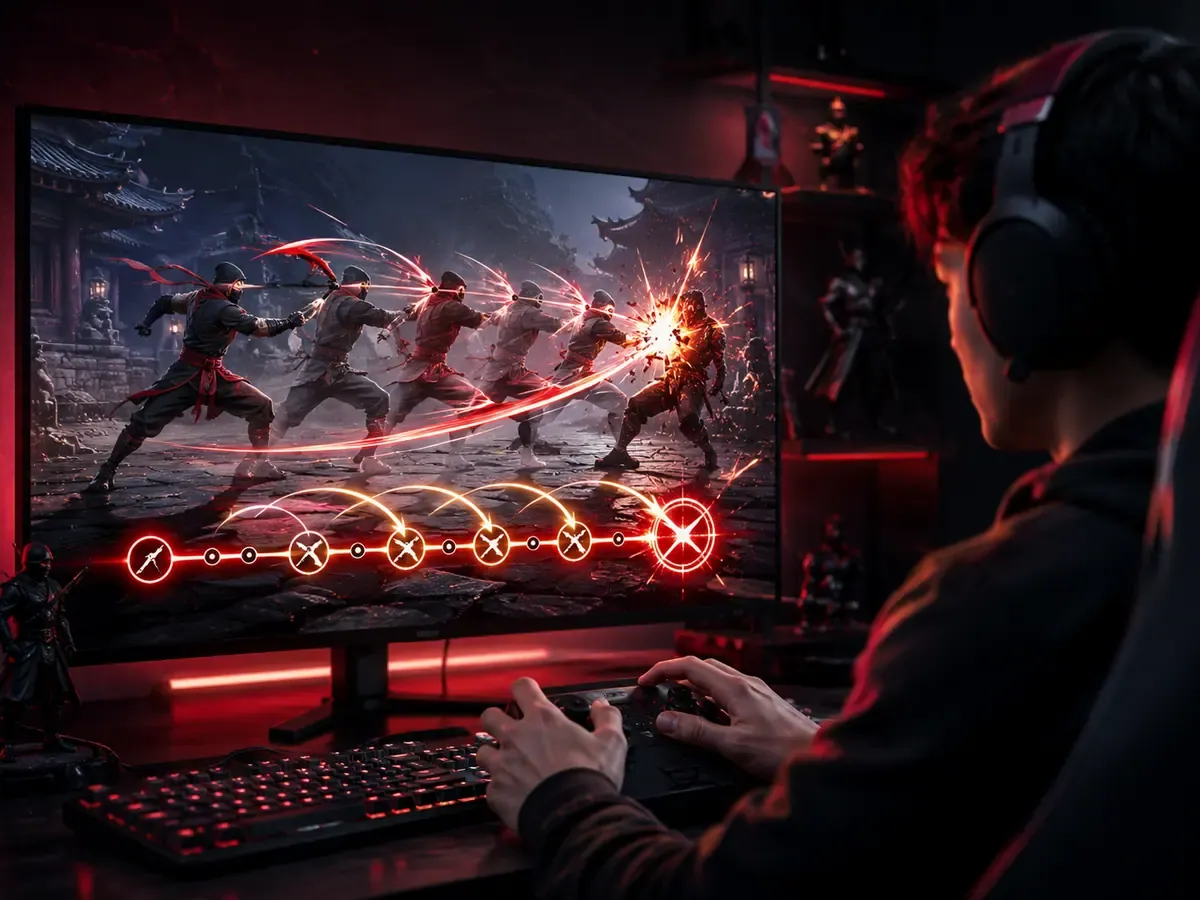
The fastest way to learn canceling is to isolate one move and one follow up instead of trying to copy an entire combo at once. Enter training mode, turn on input history if the game provides it, and repeat the first move ten times without canceling. Watch the full recovery so you know what the game normally expects. Then add the second input slightly earlier on each repetition until the recovery disappears and the next action starts cleanly.
Use a simple three step test: consistency, confirmation, and control. Consistency means you can land the cancel eight times out of ten. Confirmation means you trigger it only after the first move actually connects, rather than mashing regardless of the result. Control means you can deliberately choose not to cancel when the opponent blocks, moves away, or creates a punish window. That final skill matters more than raw speed because reliable canceling is a decision, not just a faster button sequence.
FAQ
What does animation canceling do in a game?
Animation canceling cuts the recovery portion of a move short so your next action starts sooner. By removing that idle time, you fit more attacks, dodges, or abilities into the same span, which raises your damage per second and lets you perform longer combos.
Is animation canceling considered cheating?
No. In nearly all cases it is an intended mechanic built into the game's input system, and it is a normal part of high level play. It is a skill you execute with legitimate inputs, not a hack or exploit, though a handful of unintended cancels do get patched out by developers over time.
Why does canceling increase damage per second?
Each move has a slow recovery phase where you cannot act. Canceling skips that phase and lets your next attack begin earlier, so you simply land more hits in the same amount of time. More hits per second means more damage per second.
Which game genres use animation canceling the most?
Fighting games rely on it most heavily, since their combo systems are built around precise cancel windows. Stylish action games and action role playing games use it to chain attacks smoothly, and many massively multiplayer online games use it to optimize ability rotations and squeeze in extra skills.
How do I practice animation canceling?
Use your game's training or practice mode to repeat one simple cancel slowly until the timing feels automatic, then speed up and add it to longer sequences. Learning your game's frame data or watching community guides helps you know exactly when each cancel window opens.
What are the risks of trying to cancel animations?
The main risk is mistiming the input, which can drop your combo, whiff the follow up, or leave you open to a punish. Canceling also takes practice to build muscle memory, and overusing it in the wrong moments can expose you, so it works best when deployed deliberately.
Digidang Team
Gaming enthusiast and marketplace expert sharing tips, guides, and the best gaming deals.