Arcade Mode vs Story Mode: What Each Game Mode Offers
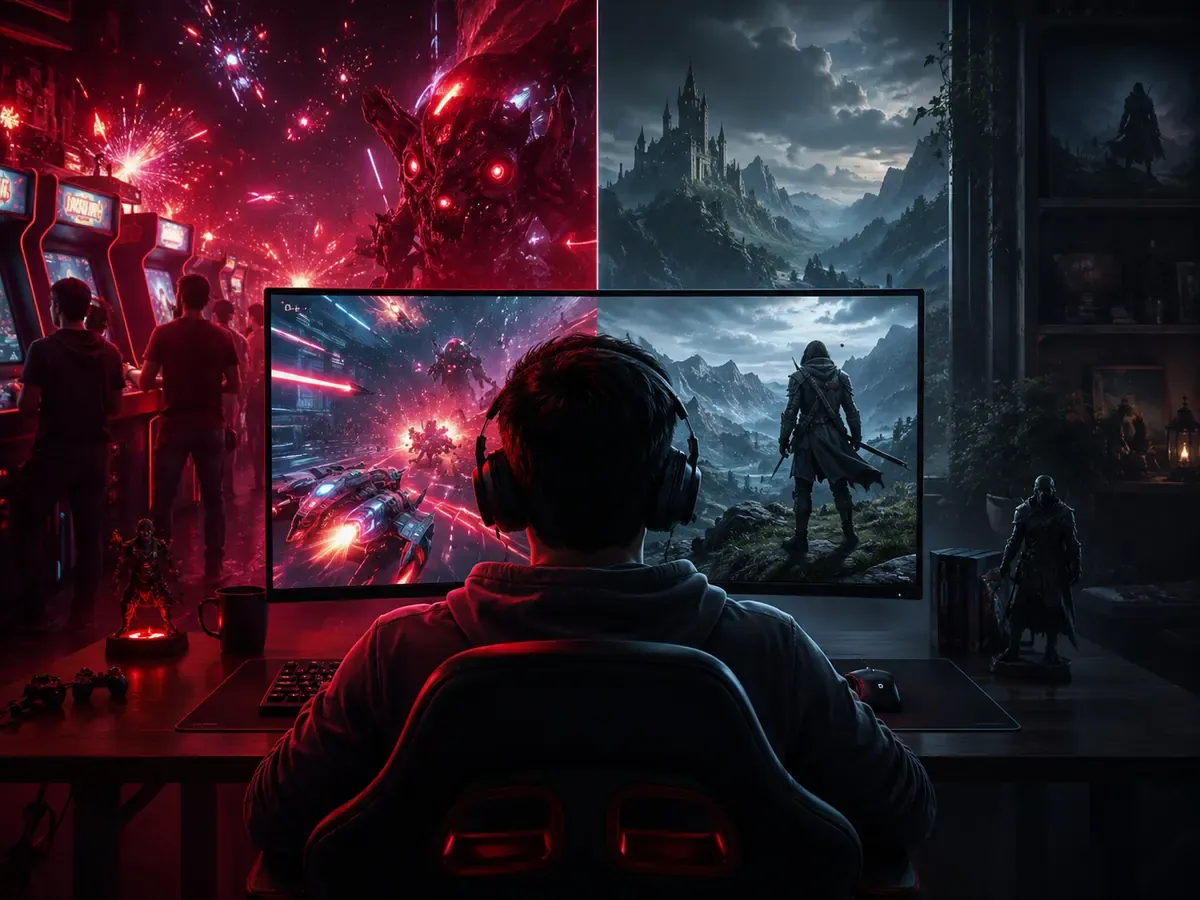
The difference between arcade mode and story mode comes down to what you want from a session: a quick, score focused run that tests your skill, or a slower, narrative driven journey that pulls you into a world and its characters. These two modes appear across countless games, but they are most recognizable in fighting and racing titles, where the same roster of fighters or cars can be enjoyed in completely different ways. Understanding what each mode offers helps you get more out of any game you buy, and lets you match your mood to the way you play.
What Arcade Mode Is
Arcade mode is the spiritual descendant of the coin operated machines that defined gaming arcades for decades. The format is built around a tight, repeatable loop: you pick a character or vehicle and battle through a fixed series of opponents or stages, climbing toward a final challenge. There is little setup and almost no downtime. You jump in, you play, and within a short window you either reach the end or you lose and start again. That simplicity is the whole point.
The defining feature of arcade mode is its focus on score and performance rather than narrative. You are rewarded for playing well, often through points, time bonuses, combo multipliers, or a final ranking. Because the structure is fixed and the difficulty ramps up steadily, arcade mode doubles as a skill test. It asks how far you can get, how clean your runs are, and whether you can beat your own previous best. For many players, that pursuit of a higher score is endlessly replayable on its own.
What Story Mode Is
Story mode takes the opposite approach. Instead of a fixed gauntlet judged by points, it strings the action together with a plot, characters, and motivation. You progress through chapters or missions that unfold a narrative, with cutscenes, dialogue, and context explaining why each fight or race is happening. The goal is no longer just to win efficiently but to see what happens next and to feel invested in the outcome.
Because story mode is built around progression and pacing, it usually carries you through a designed arc with rising stakes, twists, and a satisfying conclusion. Many games use story mode as their main campaign, the central experience that the rest of the game supports. It is where developers introduce the world, flesh out the cast, and give your actions emotional weight. Where arcade mode rewards raw skill, story mode rewards curiosity and the willingness to follow a journey from beginning to end.
The Core Differences at a Glance
Both modes use the same fundamental gameplay, yet they frame it in opposite ways. The table below sums up how they typically compare across the things players care about most.
| Aspect | Arcade Mode | Story Mode |
|---|---|---|
| Main goal | High score and clean runs | Following the narrative to its end |
| Structure | Fixed series of opponents or stages | Chapters, missions, or a campaign |
| Pacing | Fast, no downtime | Slower, with cutscenes and dialogue |
| Reward | Points, rankings, bragging rights | Story payoff, unlocks, character growth |
| Session length | Short bursts | Longer, more deliberate sessions |
| Replay value | Beating your own scores | Replaying for missed content or new choices |
Neither approach is better than the other. They simply serve different appetites. The same game can leave one player chasing a perfect arcade run while another player is far more interested in how the plot resolves.
Why Fighting Games Lean on Both
Fighting games are the clearest showcase of how arcade and story modes coexist. Arcade mode in a fighting game is a tradition that goes back to the genre's origins. You choose a fighter, climb a ladder of computer controlled opponents, and face a tough final boss, often earning a short ending sequence for your chosen character. It is fast, demanding, and perfect for sharpening combos and learning matchups without the pressure of online play.
Story mode in modern fighting games has grown far more ambitious. Many big titles now include a cinematic campaign that ties dozens of characters together through a single overarching plot, complete with voice acting and choreographed sequences. This gives casual players a reason to explore the full roster and a guided way to learn each character, while still serving the lore that long time fans care about. Together, the two modes let a single fighting game appeal to both the competitive grinder and the player who came for the spectacle.
Why Racing Games Use Them Differently
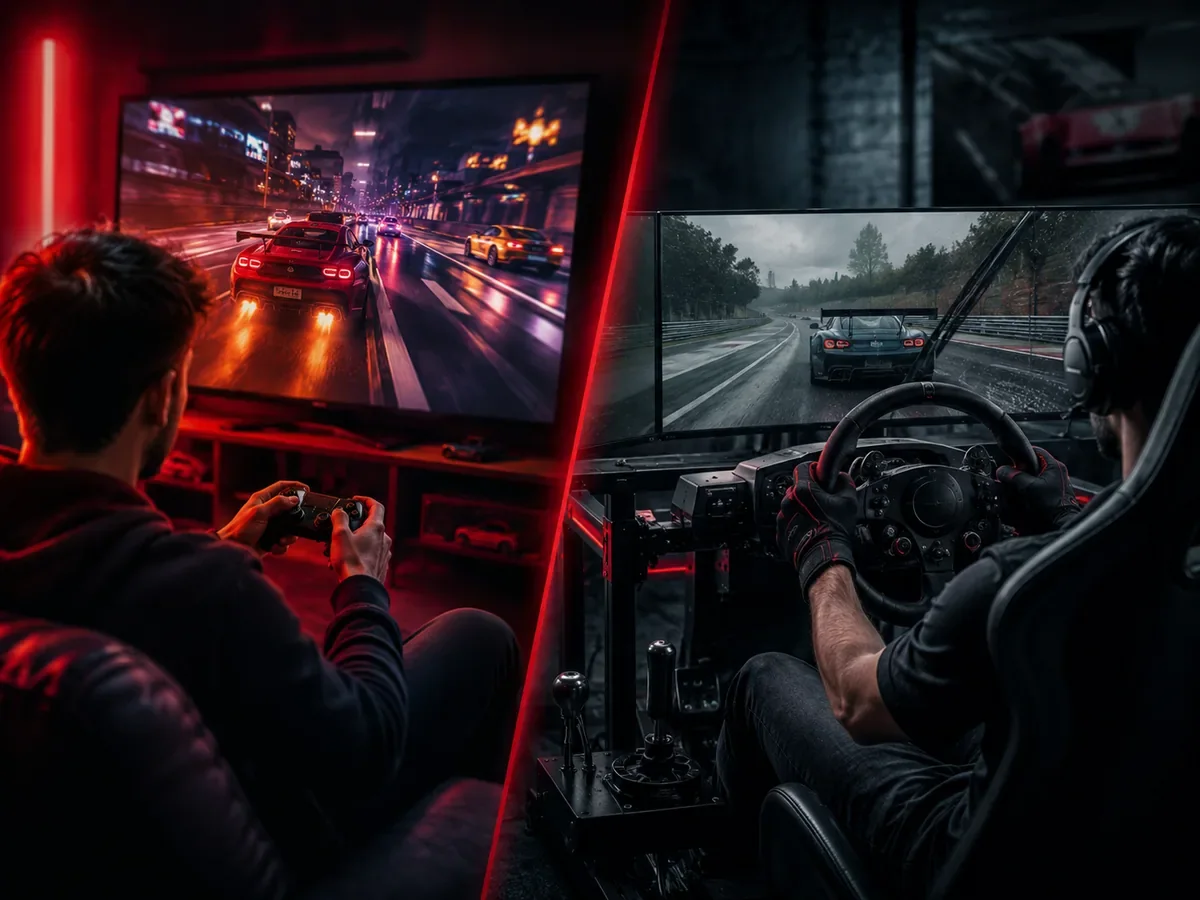
Racing games adapt the same ideas to wheels and tracks. Arcade mode in a racing game usually means quick, accessible races focused on speed and immediate fun. Physics are often more forgiving, the action is instant, and the emphasis is on posting a fast time, finishing first, or chaining stunts for points. It is the mode you load when you have a few minutes and want adrenaline without commitment.
Story mode, sometimes called a career mode in racing games, frames your progress as a journey through a sport or a personal rise to the top. You start with modest cars and events, earn money and reputation, unlock new vehicles and tracks, and work toward championships. There may be rivals, narrative beats, and long term goals that give every race a sense of purpose beyond the finish line. This structure turns a collection of races into a campaign you return to over many sessions.
How to Choose Which Mode to Play
The right mode depends on your mood, your available time, and what you want out of the game in that moment. If you only have a short window, want to test your reflexes, or feel like chasing a personal best, arcade mode is the natural fit. It respects your time, demands focus, and delivers a complete experience in minutes. It is also an excellent training ground, since the steady difficulty curve forces you to improve.
If you want to settle in, learn the world, and feel a sense of progression, story mode is the better choice. It rewards patience with context, character development, and a payoff that a single arcade run cannot provide. Many players move between the two depending on the day, treating arcade mode as a quick snack and story mode as the main meal. There is no wrong answer, and most games are designed so you can enjoy both without missing out.
Other Modes You Will See Alongside Them
Arcade and story are far from the only options in a modern game. Versus mode lets you face another human player or a single computer opponent in a one off match, ideal for casual local play. Training mode strips away scoring and story so you can practice freely, often with tools like move lists, hitboxes, and adjustable opponents. Survival mode pushes you through an endless string of opponents to see how long you can last, blending arcade pacing with an endurance twist.
Online modes connect you to players around the world for ranked or casual competition, which is where the skills you built in arcade and training modes truly get tested. Knowing how all these modes relate helps you plan your time: warm up in training, sharpen your edge in arcade, experience the narrative in story mode, then take what you have learned online. Each mode strengthens the others.
Getting the Most From Every Mode
To enjoy these modes fully, treat them as different tools for different goals rather than ranking them. Use arcade mode to build muscle memory and confidence, since its predictable structure makes it easy to measure improvement. Dive into story mode when you want to understand the game's world and characters, and do not rush it, because the pacing is part of the experience. If a game offers a difficulty setting, match it to your comfort level so neither mode feels frustrating or trivial.
Finally, remember that the value of a game often comes from having more than one way to play it. A title that offers both a punchy arcade mode and a rich story mode gives you a reason to come back long after the credits roll. The next time you start a fighting or racing game, try each mode in turn and notice how the same characters and tracks feel completely new depending on the frame you play them in.
For more ways to sharpen your play, explore our competitive gaming starter guide, compare picks in the FPS game guide, or find a shared campaign in our co-op game recommendations.
FAQ
What is the main difference between arcade mode and story mode?
Arcade mode is a fast, score focused run through a fixed set of opponents or stages, judged mainly by your performance. Story mode wraps the same gameplay in a plot with characters, cutscenes, and progression, where the goal is to follow the narrative to its end rather than chase points.
Which mode is better for beginners?
Story mode is usually friendlier for beginners because it eases you in with context, guided missions, and a learning curve that introduces mechanics gradually. Arcade mode can be a great training ground too, but its steady difficulty ramp and final challenge can feel demanding before you have practiced.
Why do fighting games include both modes?
Fighting games use arcade mode to honor the genre's roots and to offer quick, skill testing runs against computer opponents. They add story mode to give a cinematic campaign that ties the cast together, helps newcomers learn each character, and delivers the lore that long time fans enjoy.
Is career mode the same as story mode in racing games?
They are closely related. Career mode is the racing genre's version of story mode, framing your progress as a rise through a sport. You unlock cars and tracks, earn money and reputation, and work toward championships, which gives every race a long term purpose.
Can I skip story mode and only play arcade mode?
Yes. Most games let you play modes in any order and treat arcade mode as a standalone experience. You will not be locked out of the core gameplay, though you may miss narrative context, certain unlocks, or character moments that only appear in the story.
Does arcade mode help me get better at a game?
It can. Arcade mode's fixed structure and rising difficulty make it a reliable way to practice fundamentals, learn enemy patterns, and measure your improvement by your scores and runs. It is a useful step between basic training and the pressure of online competition.
Can a game combine arcade mode and story mode?
Yes. Many games share the same core mechanics across both modes while changing progression, pacing, and presentation. Arcade mode can offer short repeatable challenges, while story mode connects similar matches or races through chapters, unlocks, and narrative context.
Digidang Team
Gaming enthusiast and marketplace expert sharing tips, guides, and the best gaming deals.