The Rise of Esports in Southeast Asia
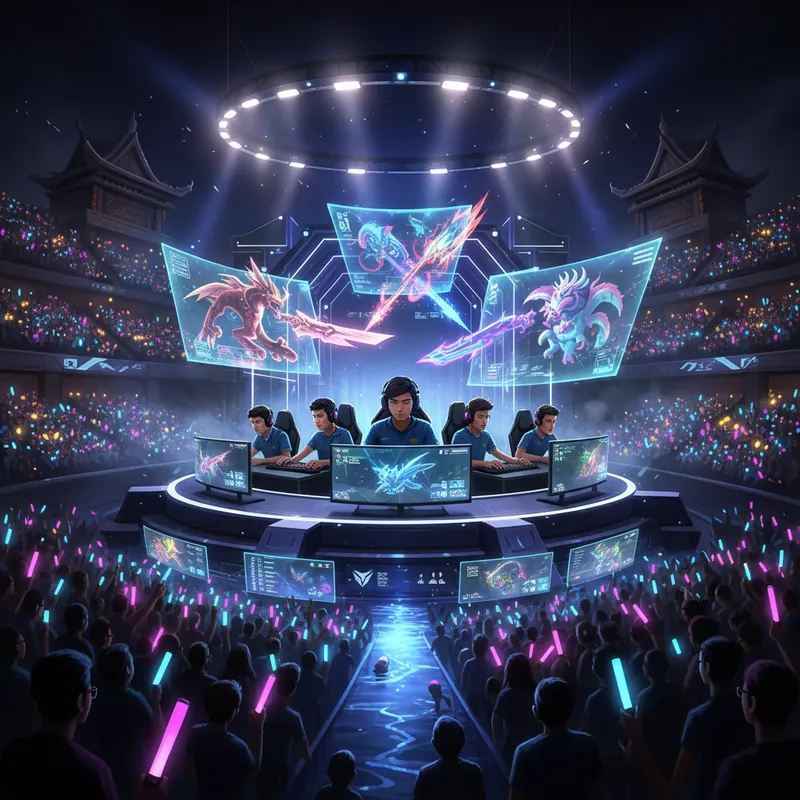
The Rise of Esports in Southeast Asia: A Gaming Revolution
Quick Answer
SEA is becoming a global esports powerhouse. Here's what's driving the growth.
Southeast Asia is experiencing an unprecedented esports boom that's reshaping the global competitive gaming landscape. What was once a niche hobby has transformed into a multi-billion dollar industry, with millions of players, viewers, and investors fueling explosive growth across the region. From Indonesia to Vietnam, Thailand to the Philippines, Southeast Asia is now home to some of the world's most talented esports competitors and most passionate gaming communities.
The rise of esports in Southeast Asia represents more than just entertainment - it's a cultural shift. Young people across the region are building careers as professional gamers, streamers, and esports entrepreneurs. Tournament prize pools have reached tens of millions of dollars, traditional media outlets are broadcasting esports events, and major brands are investing heavily in sponsorships. This transformation has happened faster and more dramatically than in any other region globally.
The Digidang team often receives questions about "the rise of esports in southeast asia: a gaming revolution" from the Indonesian gaming community. Most questions come from first-time transactions or trying out new gaming products. This section is based on real cases we've handled at Digidang since 2020, so you can apply these tips directly without trial and error.
The Perfect Storm: Why Southeast Asia Became an Esports Powerhouse
Several factors converged to create ideal conditions for esports growth in Southeast Asia. The region's massive and rapidly growing population - over 650 million people - provides an enormous potential player base. More importantly, Southeast Asia skews young, with a median age significantly lower than developed nations. This young demographic is digitally native, grew up with smartphones and the internet, and sees gaming as a legitimate career path rather than a frivolous hobby.
Internet penetration has improved dramatically across the region. While access remains uneven, mobile internet in particular has become increasingly affordable and widespread. This accessibility is crucial because Southeast Asian esports didn't develop the same way as Western esports. Instead of following the PC gaming path established in Korea and North America, Southeast Asia leapfrogged directly to mobile esports, aligning with how the region accesses the internet.
Economic factors also play a significant role. As disposable incomes rise across Southeast Asia, more people can afford gaming devices, internet subscriptions, and in-game purchases. Simultaneously, the cost of living advantages in many SEA countries means professional gamers can sustain themselves on lower prize money and sponsorships compared to Western competitors. This creates a more efficient esports ecosystem where talent can turn professional earlier and with less financial risk.
Additionally, Southeast Asia has a cultural affinity for competitive gaming that runs deep. Street arcades and internet cafes have long been social hubs in the region. Gaming has traditionally been seen as a legitimate social activity, and the transition to organized esports felt natural rather than novel. Unlike some Western markets where gaming still battles stereotypes, Southeast Asia embraced competitive gaming more readily.
Mobile Esports: The Engine Driving Southeast Asia's Growth
The most distinctive characteristic of esports in Southeast Asia is the dominance of mobile gaming. While Western esports remain centered around PC and console titles, mobile esports commands the lion's share of viewership, tournament prize pools, and professional player investment in Southeast Asia.
Mobile Legends: Bang Bang stands as the flagship mobile esports title in the region. This MOBA (multiplayer online battle arena) has cultivated one of the most organized competitive scenes in Southeast Asian esports. The Mobile Legends Professional League (MPL) franchises in Indonesia, Philippines, Thailand, Vietnam, and Malaysia operate with structures rivaling traditional sports leagues. Teams have dedicated training facilities, coaching staffs, sports psychologists, and multi-million dollar budgets. Indonesian and Philippine teams have consistently dominated international Mobile Legends competition, winning the M-series world championships multiple times.
Free Fire represents another mobile esports juggernaut. This battle royale game has attracted massive tournament investment, with the Free Fire World Series featuring prize pools exceeding $10 million. Free Fire's accessibility - it runs on mid-range smartphones with lower bandwidth requirements - has made it hugely popular in SEA, particularly in Indonesia, Philippines, and Vietnam.
Arena of Valor, PUBG Mobile, and Call of Duty Mobile also command significant competitive followings. The mobile esports ecosystem in Southeast Asia is remarkably diverse and deep, with multiple titles supporting sustainable professional scenes.
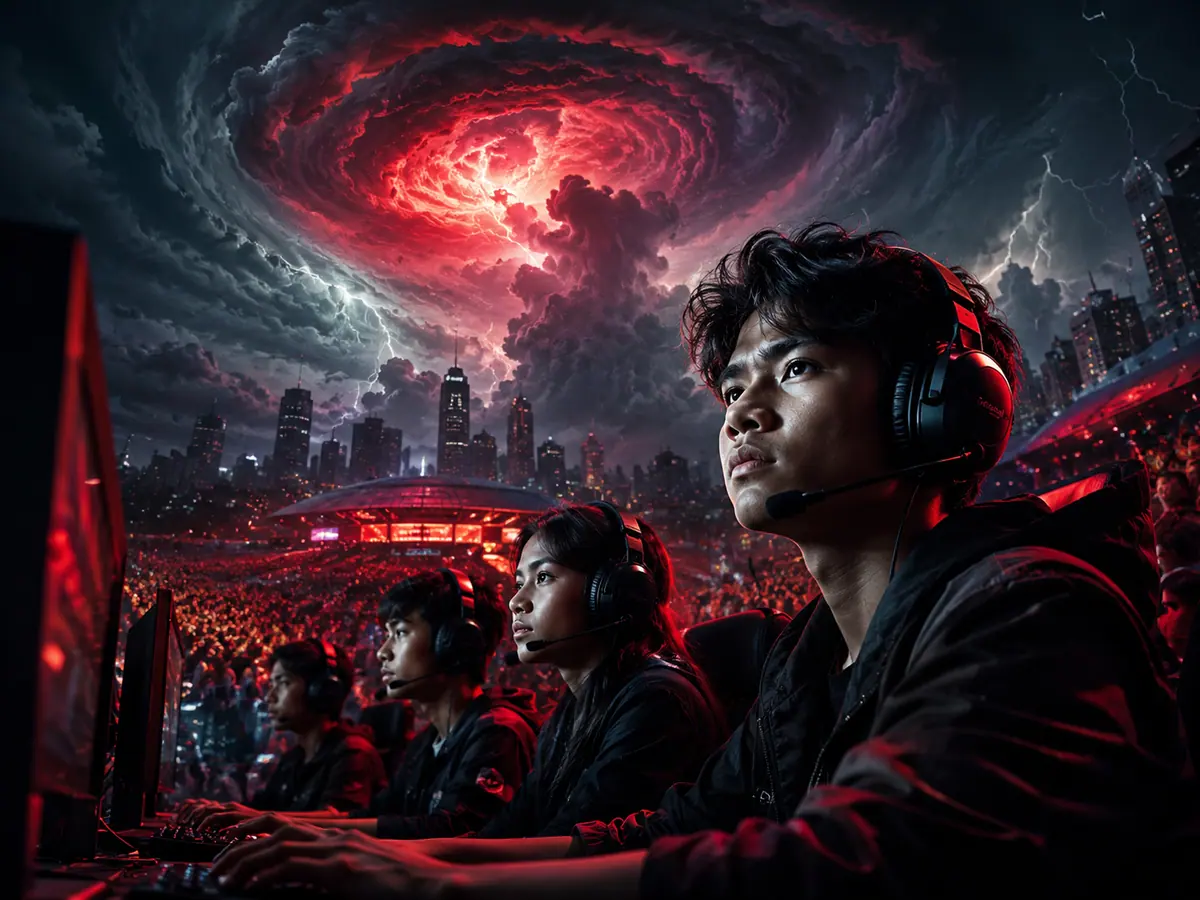
Why did mobile esports explode in Southeast Asia while remaining relatively niche in the West? The answer lies in infrastructure and accessibility. Most Southeast Asians access the internet primarily through smartphones rather than PCs or consoles. High-end gaming PCs cost a month's salary for many people in the region, making them inaccessible. Mobile phones, conversely, are nearly ubiquitous and affordable. A person can own a competitive-grade gaming phone for far less than a gaming PC. This accessibility democratized esports in Southeast Asia, allowing millions to participate rather than restricting competition to the wealthy elite who could afford PC gaming setups.
Indonesia: The Undisputed Epicenter of Southeast Asian Esports
Indonesia has emerged as the dominant force in Southeast Asian esports, wielding influence disproportionate to the region's overall distribution. With over 120 million active gamers - more than the entire population of Japan - Indonesia represents an enormous pool of potential talent and the largest audience for esports content in Southeast Asia.
Indonesian teams have established themselves as world-class competitors across multiple titles. In Mobile Legends, Indonesian franchises have won numerous international championships. Teams like Evos Esports, ONIC Esports, and RRQ (Replays Esports) have become household names not just in Indonesia but across Asia. Their dominance stems from a combination of factors: deep local talent pools, competitive domestic leagues that test and develop skills, substantial investment from Indonesian business interests, and a cultural embrace of gaming that produces passionate fan bases.
Beyond mobile esports, Indonesia has developed respectable Dota 2 and Valorant competitive scenes. Indonesian Dota 2 teams have qualified for The International, esports' most prestigious tournament. Valorant esports in Indonesia has grown rapidly following the game's 2020 launch, with professional teams attracting significant sponsorship.
The Indonesian government and private sector have invested substantially in esports infrastructure. Gaming cafes and training facilities now operate with professional standards. Educational institutions offer esports programs and scholarships. Major corporations sponsor teams and tournaments. The Indonesian Esports Association (Asosiasi Esports Indonesia) provides organizational structure and legitimacy to the scene.
Jakarta and other major Indonesian cities host international esports tournaments that attract teams and fans from across Asia. The visibility and prestige of hosting major competitions has created a virtuous cycle where success breeds investment, which breeds more success. Indonesia's esports ecosystem now rivals Korea's and exceeds Europe's in many metrics.
The Expanding Competitive Landscape Across Southeast Asia
While Indonesia leads, esports in Southeast Asia extends far beyond a single country. Each major nation in the region has developed distinctive competitive scenes with their own characteristics and strengths.
The Philippines boasts the second-largest esports population in Southeast Asia. Filipino gamers have particularly excelled in Mobile Legends, with Philippine teams winning multiple international championships. The competitive spirit and strong community support have made the Philippines a constant threat in regional and international tournaments. Filipino esports organizations like Blacklist International have achieved international fame.
Vietnam has rapidly ascended as a major esports force. Vietnamese teams compete at the highest level in multiple titles, particularly Dota 2 and Mobile Legends. The country's esports leagues have matured significantly, with franchised systems and substantial prize pools. Vietnamese esports benefits from strong government support and increasing corporate investment.
Thailand maintains an active esports scene, though typically smaller in scale than Indonesia, Philippines, or Vietnam. Thai teams and players have achieved notable success, particularly in fighting games and certain MOBAs. Bangkok and other Thai cities host major regional tournaments.
Malaysia, Singapore, and Myanmar have smaller but growing esports communities. Singapore particularly stands out as a high-income nation with advanced esports infrastructure and a competitive scene that, while smaller, maintains high technical standards.
The SEA Games - Southeast Asia's regional sporting event - formally recognized esports as a medal event in 2019, legitimizing competitive gaming at the highest governmental levels. This inclusion has accelerated growth by channeling government funding toward esports development and raising the sport's prestige within the region.
Investment, Infrastructure, and the Professionalization of Southeast Asian Esports
The transformation of Southeast Asian esports from hobby to profession has required substantial infrastructure investment. Professional teams now operate with standards comparable to traditional sports franchises.
Training Facilities: Major cities across Southeast Asia now feature dedicated esports training centers. These aren't simple internet cafes but professional facilities with top-tier gaming PCs, high-speed internet, coaching staff, sports psychologists, and recovery amenities. Teams maintain boot camp facilities where players live and train together during competitive seasons.
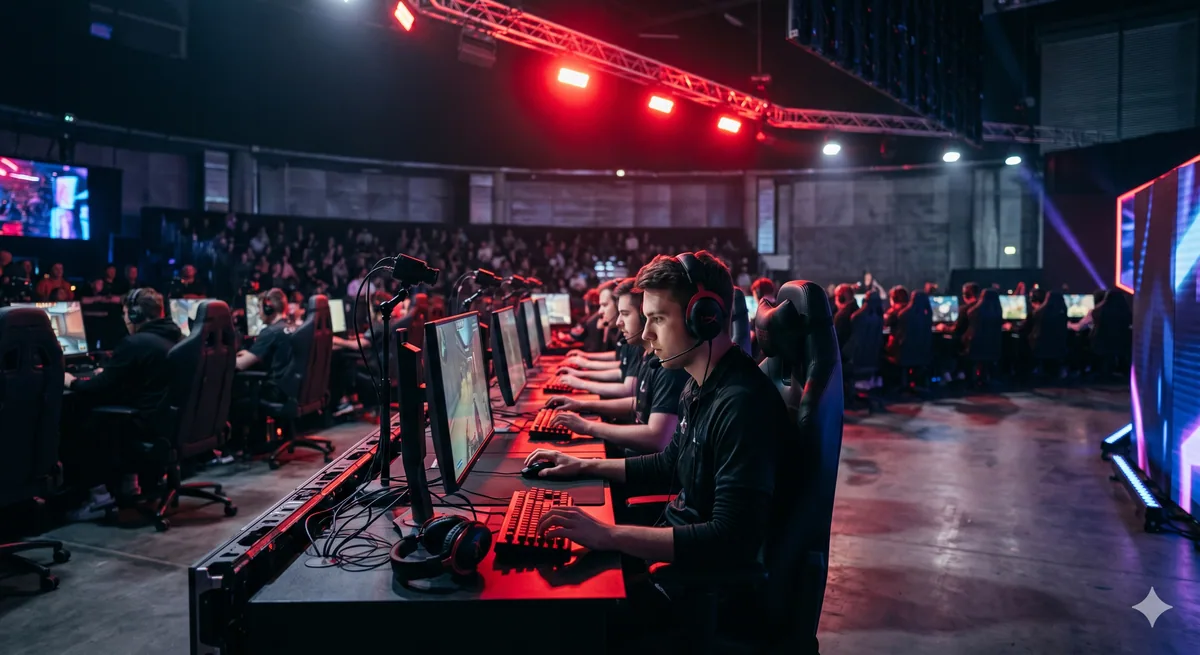
Professional Leagues: Franchised esports leagues have become the norm in Southeast Asia's largest markets. The Mobile Legends Professional League operates in five countries with franchises worth millions of dollars. Similar structures exist for Valorant, Dota 2, and other titles. These leagues provide regular competition, player salaries, broadcast revenue sharing, and sponsorship opportunities.
Tournament Prize Pools: Major esports tournaments in Southeast Asia now feature prize pools rivaling traditional sports. The Free Fire World Series offered $10 million in prize money. International Mobile Legends championships distribute millions among competing teams. This financial viability makes professional gaming a sustainable career path.
Corporate Investment: Multinational corporations, regional conglomerates, and local businesses are investing heavily in Southeast Asian esports. Technology companies like Riot Games and Tencent have established regional headquarters and committed billions to esports development. Traditional brands from energy drinks to automobile manufacturers sponsor teams and tournaments, recognizing esports' value as a marketing channel to younger demographics.
Media Rights and Broadcasting: Traditional media outlets across Southeast Asia now broadcast esports. Television networks, streaming platforms, and YouTube channels dedicate significant content to competitive gaming. This mainstream media presence legitimizes esports and attracts broader audiences beyond hardcore gaming communities.
Sponsorship and Player Salaries: Top esports players in Southeast Asia now earn six-figure annual salaries from team contracts alone, supplemented by streaming revenue, sponsorships, and tournament winnings. This economic viability allows players to focus entirely on their competitive careers rather than supplementing income with other work.
The Global Impact: Southeast Asia's Rising Influence in International Esports
Southeast Asian teams and players are increasingly competing and winning on the global stage, reshaping international esports hierarchies. Historically, Korea and the West dominated esports competition. That dominance has been eroding as Southeast Asian talent rises.
In Mobile Legends, Southeast Asian dominance is complete - international championships are now regularly won by Indonesian or Philippine teams. This represents a fundamental shift in global esports power dynamics. Five years ago, the idea of mobile gaming producing world-class competitors was dismissed in Western esports circles. Today, Mobile Legends esports is more developed and organized than most Western esports ecosystems.
Valorant provides another example of Southeast Asia's rising influence. The Southeast Asian Valorant Champions Tour circuit is highly competitive, with teams regularly advancing to international tournaments. Players from the region are being recruited by international teams, recognizing their skill and potential.
Dota 2 has long featured Southeast Asian participation at The International, but recent years have seen increased success from the region. Vietnamese and Indonesian teams have made deeper runs in world championships, proving competitive at the highest level.
This global impact has several consequences: it attracts investment from international esports organizations, raises the profile of regional tournaments, creates pathways for players to compete internationally, and demonstrates that esports talent is globally distributed rather than concentrated in traditional powerhouses.
Challenges and Opportunities Ahead for Southeast Asian Esports
Despite remarkable growth, Southeast Asian esports faces challenges that will determine its long-term trajectory.
Sustainability and Professionalization: Maintaining professionalism and preventing corruption remains crucial. Esports match-fixing and cheating scandals have occurred in Southeast Asia as in other regions. Establishing robust integrity systems and enforcement mechanisms will protect competitive credibility.
Diversity and Inclusion: Southeast Asian esports, like global esports, has gender imbalance. Women comprise a small percentage of professional players and teams, though this is improving. Actively promoting diversity and creating inclusive communities will expand the talent pool and make esports more representative.
Regulation and Governance: As esports grows, governmental regulation becomes increasingly important. Some Southeast Asian countries
The Digidang team often receives questions about "challenges and opportunities ahead for southeast asian esports" from the Indonesian gaming community. Most questions come from first-time transactions or trying out new gaming products. This section is based on real cases we've handled at Digidang since 2020, so you can apply these tips directly without trial and error.
Pro Tips from the Digidang Team
Based on the Digidang team's experience handling thousands of gaming transactions every month since 2020, here are the tips we share most often with our loyal customers.
- Verify info across multiple sources: Gaming news is often published fast with little verification. Check 2-3 credible sources before trusting a rumor.
- Subscribe to official channels: For official launches and events, follow publisher Twitter accounts and community Discords directly rather than leakers.
- Wait for post-launch reviews: Many games get 8/10 in pre-launch reviews and drop to 6/10 a week later. Check community feedback 7-14 days post-launch before buying.
- Back accounts with 2FA: Before any big transaction or device change, make sure 2FA is active on all your gaming accounts (Steam Guard, Riot Authenticator, etc.).
- Track price history: Use a price tracker like IsThereAnyDeal to see historical prices. Avoid buying when prices are spiking before an event.
Why Buy Gaming Products at Digidang
As a digital gaming marketplace operating since 2020, Digidang is built by and for Indonesian gamers. Here's why thousands of gamers trust Digidang for their top-up and gift card needs:
- Competitive pricing: We continuously monitor other marketplace prices and adjust so you always get the best deal without hidden cost drama.
- Instant automated process: Digital codes arrive in your inbox in minutes, not hours or days. We know gamers want to play right away.
- 24/7 customer service: Our support team is ready to respond via WhatsApp and email anytime. Not a bot - you chat with humans who understand gaming.
- Safe and trustworthy: Payments are processed via official payment gateways (Midtrans, Xendit), not personal transfers. Your data is protected with 256-bit SSL encryption.
- Complete product variety: From Mobile Legends, PUBG, Genshin Impact top-ups, to Steam, Roblox, PlayStation gift cards - all available on one platform.
- Active community: Digidang has an active Discord and Instagram community sharing tips, builds, and discussions about Indonesian gaming.
Check the Digidang catalog to see all available gaming products, or visit our about page to learn more about Digidang's mission to build a healthy Indonesian gaming ecosystem.
Conclusion & Key Takeaways
The Rise of Esports in Southeast Asia isn't a static gaming topic - it evolves quickly with new game releases, publisher updates, and trends in the Indonesian gaming community. The Digidang team will continue to update this article to keep it relevant to current conditions.
Key points to remember from this guide:
- Always prioritize account security: Enable 2FA, never share passwords, and avoid buying from untrusted sellers.
- Compare prices across multiple sources: Even though Digidang offers competitive pricing, the habit of comparing before buying is a healthy behavior.
- Take advantage of events and promotions: Significant savings come from combining Digidang discounts with publisher in-game events.
- Verify every transaction detail: User ID, region, and denomination - small mistakes can lead to non-refundable losses.
- Use Digidang's support: Our customer service is active 24/7 via WhatsApp and email. Don't hesitate to reach out with any questions.
Have more questions? Check the FAQ section below, or contact the Digidang team directly via WhatsApp for free consultation on the gaming products you need.
Frequently Asked Questions (FAQ)
What is The Rise of Esports in Southeast Asia?
The Rise of Esports in Southeast Asia is a comprehensive gaming topic covered in this Digidang guide. We've put this article together based on hands-on experience and feedback from thousands of gamers in our community since 2020.
Is the information in this article reliable?
Yes. All Digidang content is written by editors who actively play and follow the gaming industry. Every recommendation goes through internal verification before publication, and we update articles when new information becomes available.
How do I buy gaming products on Digidang?
Browse our shop, pick the product you want, add to cart, and checkout. We accept bank transfer, e-wallets (OVO, GoPay, Dana, ShopeePay), credit cards, and QRIS. Digital codes are delivered instantly to your email after payment is confirmed.
How fast is digital code delivery?
Codes are delivered automatically to your email within 5 minutes after successful payment. If you don't receive it within 30 minutes, check your spam folder or contact our support team via WhatsApp.
Does Digidang guarantee codes work?
Every code from Digidang is guaranteed valid. If you run into any redemption issues, our customer service team is available 24/7 via WhatsApp and email. We'll replace the code or process a refund if the problem is on our side.
Is it safe to buy digital gaming products on Digidang?
Absolutely. Digidang has been operating since 2020 with thousands of successful transactions. All payments go through official payment gateways (Midtrans, Xendit) with 256-bit SSL encryption. We never share your personal data with third parties.
Why should I choose Digidang over other marketplaces?
Digidang specializes in digital gaming products with competitive pricing, instant delivery, and responsive support. Our team understands gamers because we're run by an Indonesian gaming community ourselves.
Lisa Wong
Gaming enthusiast and marketplace expert sharing tips, guides, and the best gaming deals.