What Is an Escape Room Game: How Do You Play, Types & Winning Tips
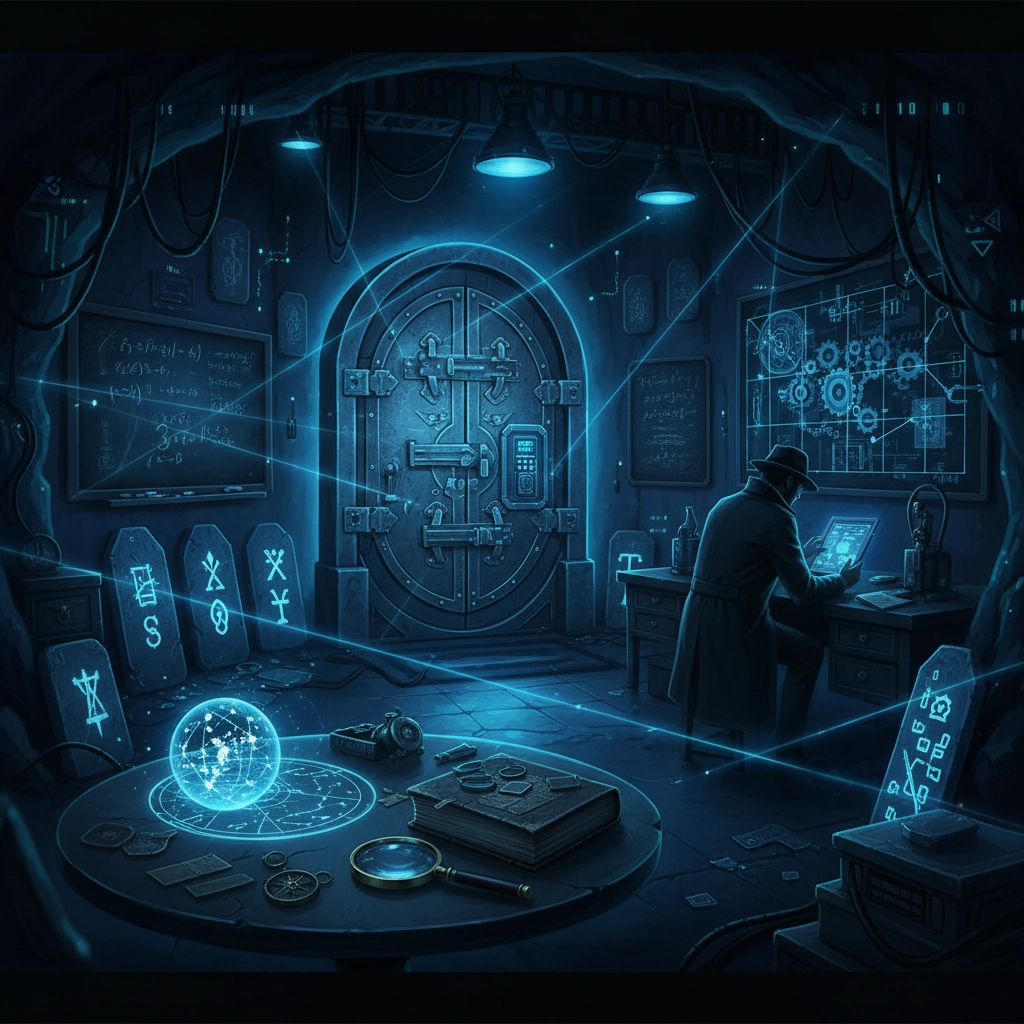
What Is an Escape Room Game: How Do You Play Escape Rooms & Win
Quick Answer
What are escape room games, how do you play escape rooms, types of puzzles, escape room tips, and expert strategies to beat the clock every time.
An escape room game is one of the most thrilling and immersive entertainment experiences available today. Whether you're a casual gamer looking for a fun night out or a competitive player seeking the ultimate puzzle challenge, escape room games deliver heart-pounding excitement and mental stimulation. In this comprehensive guide, we'll explore what escape room games are, how they work, the different formats available, and proven strategies to help you escape successfully every single time.
The Digidang team often receives questions about "what is an escape room game: how do you play escape rooms & win" from the Indonesian gaming community. Most questions come from first-time transactions or trying out new gaming products. This section is based on real cases we've handled at Digidang since 2020, so you can apply these tips directly without trial and error.
What Exactly Is an Escape Room Game?
An escape room game is an immersive, team-based experience where players are locked in a themed room and must solve a series of puzzles, riddles, and challenges to escape before time runs out. Most escape rooms give teams 60 minutes to crack every code, find every hidden clue, and ultimately unlock the final door. The experience is designed to test your problem-solving abilities, creativity, and teamwork under pressure.
Originally inspired by point-and-click adventure video games, physical escape rooms first appeared in Japan around 2007 and have since exploded into a global phenomenon. Today, there are over 50,000 escape rooms worldwide, ranging from simple single-room puzzles to elaborate multi-room adventures with theatrical special effects, professional actors, and cinematic production values.
The appeal of escape room games lies in their unique combination of narrative immersion and puzzle-solving gameplay. Unlike traditional video games where you control a character on screen, escape room games place YOU inside the story. You're not watching a mystery unfold - you're actively solving it. This level of engagement creates memorable experiences that players talk about for years.
The Digidang team often receives questions about "what exactly is an escape room game?" from the Indonesian gaming community. Most questions come from first-time transactions or trying out new gaming products. This section is based on real cases we've handled at Digidang since 2020, so you can apply these tips directly without trial and error.
Types of Escape Room Games
Physical Escape Rooms
The classic format of escape room games, physical escape rooms remain the most popular choice for groups seeking an authentic experience. You and your team physically enter a themed room, often designed around elaborate scenarios like haunted houses, bank heists, space stations, ancient temples, or detective noir mysteries. Props, locks, hidden compartments, and cleverly disguised mechanisms make up the puzzle landscape.
Physical escape room games typically accommodate 2-8 players, though some venues offer larger group experiences. The atmosphere is crucial to the experience - professional venues invest heavily in set design, lighting, sound effects, and props to create believable worlds. When you step into a pirate ship escape room, you should smell the salt air and hear creaking timbers. When you enter a laboratory escape room, you should feel like you're in a high-tech facility.
The advantages of physical escape rooms include the tangible nature of solving real puzzles, the social energy of being in the same space as your teammates, and the psychological pressure of physical confinement that enhances the experience. The disadvantages include cost (typically $25-40 per person), limited availability in some areas, and the need to coordinate schedules for group play.
Digital Escape Room Games
The pandemic accelerated the rise of digital escape room games, and they are firmly established as a permanent gaming category. These online experiences can be played through video calls, dedicated apps, or browser-based platforms. Digital escape room games are perfect for remote teams, long-distance friends, and players who want to experience escape room gameplay without leaving their homes.
Digital escape room games work by presenting puzzles through your screen. You might need to examine objects closely, manipulate digital elements, decode messages, or solve logic problems. Many platforms offer cooperative multiplayer functionality, allowing multiple players to work on the same puzzles simultaneously from different locations.
The advantages of digital escape room games include accessibility (play anytime, from anywhere), cost-effectiveness (often cheaper than physical venues), and flexibility in group size and scheduling. You can find a selection of digital escape room games at the Digidang shop for your next virtual game night, often available at discounted prices compared to retail.
Portable Escape Room Kits

Box-based escape room games bring the experience to your living room without requiring a digital connection or venue reservation. Products like Exit: The Game, Unlock!, and ThinkFun's Escape Room Card Game deliver themed puzzle decks that recreate the escape room feeling in tabletop format. These board game-style escape room games are affordable, replayable with different groups, and available in varying difficulty levels from beginner to expert.
Portable escape room kits typically include physical components like cards, tokens, locks, or puzzle sheets. You work through the puzzles at your own pace without time pressure (though you can set a timer for competitive play). Most kits are designed as single-use experiences - once you've solved all the puzzles and escaped, that particular game is "solved" for you, though you can play other games in the series.
Outdoor Escape Adventures
Some companies have taken the escape room game concept outdoors, creating city-wide scavenger hunts and adventure trails that combine physical exploration with puzzle-solving. These outdoor escape room games challenge teams to navigate real locations, find physical clues hidden in actual environments, and solve mysteries across multiple blocks or acres.
Outdoor escape room games are excellent for team-building events, corporate activities, and birthday parties. They combine the puzzle-solving elements of traditional escape rooms with physical activity and exploration. Popular formats include Urban Quest games, GPS-based hunts, and location-based mysteries that use your smartphone as a game interface.
How Escape Room Games Work
Understanding the mechanics of escape room games helps you prepare for success. When you arrive at a physical escape room venue, a game master briefs your team on the scenario, the rules, any safety considerations, and how to request hints. The game master explains the objective - typically "escape the room by solving all puzzles," though some venues have multiple objectives or branching storylines.
Once the clock starts, your team searches the room for clues, solves puzzles in sequence, and works toward the final objective. Puzzles in escape room games can include pattern recognition (finding sequences or matching colors), math problems (calculating codes or solving equations), word puzzles (anagrams, ciphers, or crosswords), physical manipulation of objects (moving pieces, inserting keys, adjusting mechanisms), and logic challenges (lateral thinking puzzles or deduction problems).
Puzzles in escape room games are typically designed to progress logically. Solving one puzzle usually reveals a clue needed for the next puzzle. This interconnected design creates a natural flow and prevents teams from getting completely stuck. However, this also means if you get stuck on one puzzle, you might block progress on subsequent challenges.
Most venues offer a hint system where you can request help from the game master if you get stuck. The number of hints varies, but typically you get 2-3 per game, sometimes more for harder scenarios. Using hints is not cheating - it's a strategic tool to keep your momentum going and ensure you complete the experience within the time limit.
Expert Tips to Win Every Escape Room Game
1. Communicate Everything Out Loud
The number one mistake teams make when playing escape room games is staying silent. When you find something, say it immediately. A clue that seems meaningless to you might be exactly what your teammate needs to solve their puzzle. Create a culture where every discovery is announced and every observation is shared. "I found a key," "This painting has numbers," "This book is heavier than the others" - all of these are valuable communications.
2. Organize Your Clues and Materials
Designate a central area where all found items and clues are placed. This prevents the chaos of having clues scattered around the room and stops team members from solving the same puzzle twice. Separate used clues from unused ones so you don't get confused. In digital escape room games, keep a document or chat log of important discoveries and puzzle solutions.
3. Split Up and Conquer
Do not have six people staring at the same lock in your escape room game. Split into pairs or small groups and tackle different sections of the room simultaneously. One team searches for hidden items, another examines books and papers, another manipulates physical objects. Reconvene when someone finds a connection between puzzles or when a pair gets stuck.
4. Watch the Clock and Manage Time Wisely
Assign one person to be the timekeeper in your escape room game session. If you have spent more than 5 minutes on a single puzzle without progress, ask for a hint. Time management wins more escape rooms than raw intelligence. With 60 minutes and potentially 15-20 puzzles, you average only 3-4 minutes per puzzle. Spending 10 minutes on one puzzle puts you dangerously behind.
5. Think Simply and Avoid Overthinking
Escape room games are designed to be solvable by average players. If your solution requires a physics degree or assumes specialized knowledge most people don't have, you're probably overthinking it. Step back, look at the big picture, and try the most straightforward interpretation first. The most elegant solution is usually correct.

6. Search Thoroughly but Systematically
Check under tables, behind picture frames, inside books, and beneath rugs. Escape room game designers are creative with hiding spots, but they will never put clues in genuinely dangerous or unreachable places. Search systematically section by section rather than randomly wandering. If you've searched everywhere and haven't found something, ask for a hint - you might be missing a less obvious hiding spot.
7. Look for Connections Between Puzzles
In well-designed escape room games, solutions from one puzzle unlock clues for another. A number you found might be a code for a lock elsewhere. A phrase from a book might be the password for a cipher. Actively look for how different puzzle elements connect. This interconnected thinking often leads to breakthroughs.
8. Don't Be Afraid to Use Hints
Many inexperienced escape room players view hints as admitting defeat. They aren't. Hints are built into escape room games specifically because designers know teams will get stuck. Using your hints wisely is a sign of strategic thinking, not weakness. It's better to use a hint, gain momentum, and complete the game than to waste 15 minutes on one puzzle and fail to escape.
Different Difficulty Levels in Escape Room Games
Most escape room game venues offer multiple difficulty levels. Beginner escape room games are designed for first-timers and families. Puzzles are straightforward, hints are generous, and the story is simple. Intermediate escape room games require more critical thinking and pattern recognition. Expert escape room games challenge even experienced players with complex puzzles, obscure connections, and minimal hints.
When choosing an escape room game, be honest about your group's experience level. Playing a game too easy wastes money. Playing one too hard destroys morale and leads to failure. Most teams should start with intermediate difficulty, especially if you include experienced puzzle solvers and people new to the format.
The Digidang team often receives questions about "different difficulty levels in escape room games" from the Indonesian gaming community. Most questions come from first-time transactions or trying out new gaming products. This section is based on real cases we've handled at Digidang since 2020, so you can apply these tips directly without trial and error.
Bringing Escape Room Games Home
You don't need to visit a venue to enjoy escape room game thrills. The board game market offers numerous escape room games that deliver authentic puzzle-solving excitement at home. From beginner-friendly mystery boxes to expert-level brain teasers, there's something for every skill level.
Popular escape room board games include the Exit series (over 20 different games), Unlock! (card-based puzzles with app integration), Escape the Room: The Mystery of Blackthorn Manor, and ThinkFun's Escape Room card games. These portable versions let you experience escape room gameplay without booking a venue or leaving home.
Digital escape room games offer another home option. Platforms like Room Escape Artist, The Escape Game (online version), and various browser-based escape room games provide fully digital experiences. Many of these are available through digital game retailers like Digidang, often at discounted prices, making them affordable entertainment options for game nights.
The Digidang team often receives questions about "bringing escape room games home" from the Indonesian gaming community. Most questions come from first-time transactions or trying out new gaming products. This section is based on real cases we've handled at Digidang since 2020, so you can apply these tips directly without trial and error.
Escape Room Games for Team Building and Corporate Events
Escape room games have become popular corporate team-building activities. They encourage collaboration, communication, and creative problem-solving under pressure - skills valuable in any workplace. Companies book escape room experiences for team retreats, department bonding, and leadership development.
The best escape room games for corporate events include puzzles that require diverse skills (so different team members can contribute) and clear communication (forcing teams to practice active listening). Avoid escape room games that rely on physical strength or require specialized knowledge your team might
The Digidang team often receives questions about "escape room games for team building and corporate events" from the Indonesian gaming community. Most questions come from first-time transactions or trying out new gaming products. This section is based on real cases we've handled at Digidang since 2020, so you can apply these tips directly without trial and error.
Pro Tips from the Digidang Team
Based on the Digidang team's experience handling thousands of gaming transactions every month since 2020, here are the tips we share most often with our loyal customers.

- Verify info across multiple sources: Gaming news is often published fast with little verification. Check 2-3 credible sources before trusting a rumor.
- Subscribe to official channels: For official launches and events, follow publisher Twitter accounts and community Discords directly rather than leakers.
- Wait for post-launch reviews: Many games get 8/10 in pre-launch reviews and drop to 6/10 a week later. Check community feedback 7-14 days post-launch before buying.
- Back accounts with 2FA: Before any big transaction or device change, make sure 2FA is active on all your gaming accounts (Steam Guard, Riot Authenticator, etc.).
- Track price history: Use a price tracker like IsThereAnyDeal to see historical prices. Avoid buying when prices are spiking before an event.
Why Buy Gaming Products at Digidang
As a digital gaming marketplace operating since 2020, Digidang is built by and for Indonesian gamers. Here's why thousands of gamers trust Digidang for their top-up and gift card needs:
- Competitive pricing: We continuously monitor other marketplace prices and adjust so you always get the best deal without hidden cost drama.
- Instant automated process: Digital codes arrive in your inbox in minutes, not hours or days. We know gamers want to play right away.
- 24/7 customer service: Our support team is ready to respond via WhatsApp and email anytime. Not a bot - you chat with humans who understand gaming.
- Safe and trustworthy: Payments are processed via official payment gateways (Midtrans, Xendit), not personal transfers. Your data is protected with 256-bit SSL encryption.
- Complete product variety: From Mobile Legends, PUBG, Genshin Impact top-ups, to Steam, Roblox, PlayStation gift cards - all available on one platform.
- Active community: Digidang has an active Discord and Instagram community sharing tips, builds, and discussions about Indonesian gaming.
Check the Digidang catalog to see all available gaming products, or visit our about page to learn more about Digidang's mission to build a healthy Indonesian gaming ecosystem.
Conclusion & Key Takeaways
What Is an Escape Room Game: How Do You Play, Types & Winning Tips isn't a static gaming topic - it evolves quickly with new game releases, publisher updates, and trends in the Indonesian gaming community. The Digidang team will continue to update this article to keep it relevant to current conditions.
Key points to remember from this guide:
- Always prioritize account security: Enable 2FA, never share passwords, and avoid buying from untrusted sellers.
- Compare prices across multiple sources: Even though Digidang offers competitive pricing, the habit of comparing before buying is a healthy behavior.
- Take advantage of events and promotions: Significant savings come from combining Digidang discounts with publisher in-game events.
- Verify every transaction detail: User ID, region, and denomination - small mistakes can lead to non-refundable losses.
- Use Digidang's support: Our customer service is active 24/7 via WhatsApp and email. Don't hesitate to reach out with any questions.
Have more questions? Check the FAQ section below, or contact the Digidang team directly via WhatsApp for free consultation on the gaming products you need.
Frequently Asked Questions (FAQ)
What is What Is an Escape Room Game: How Do You Play, Types & Winning Tips?
What Is an Escape Room Game: How Do You Play, Types & Winning Tips is a comprehensive gaming topic covered in this Digidang guide. We've put this article together based on hands-on experience and feedback from thousands of gamers in our community since 2020.
Is the information in this article reliable?
Yes. All Digidang content is written by editors who actively play and follow the gaming industry. Every recommendation goes through internal verification before publication, and we update articles when new information becomes available.
How do I buy gaming products on Digidang?
Browse our shop, pick the product you want, add to cart, and checkout. We accept bank transfer, e-wallets (OVO, GoPay, Dana, ShopeePay), credit cards, and QRIS. Digital codes are delivered instantly to your email after payment is confirmed.
How fast is digital code delivery?
Codes are delivered automatically to your email within 5 minutes after successful payment. If you don't receive it within 30 minutes, check your spam folder or contact our support team via WhatsApp.
Does Digidang guarantee codes work?
Every code from Digidang is guaranteed valid. If you run into any redemption issues, our customer service team is available 24/7 via WhatsApp and email. We'll replace the code or process a refund if the problem is on our side.
Is it safe to buy digital gaming products on Digidang?
Absolutely. Digidang has been operating since 2020 with thousands of successful transactions. All payments go through official payment gateways (Midtrans, Xendit) with 256-bit SSL encryption. We never share your personal data with third parties.
Why should I choose Digidang over other marketplaces?
Digidang specializes in digital gaming products with competitive pricing, instant delivery, and responsive support. Our team understands gamers because we're run by an Indonesian gaming community ourselves.
Sarah Kim
Gaming enthusiast and marketplace expert sharing tips, guides, and the best gaming deals.