What Is Aim Down Sight (ADS) in Games and When to Use It
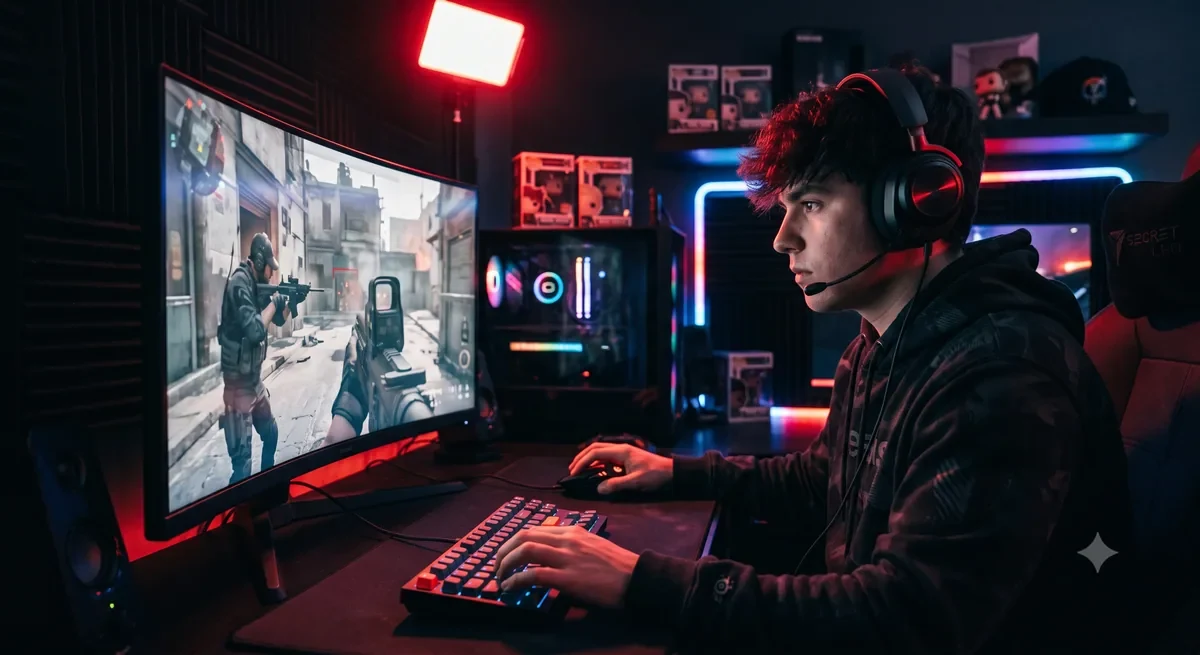
Aim down sight (ADS) in games is the action of raising your weapon so that its sights line up with the center of the screen, trading a wider, faster stance for a narrower, more precise one. It is one of the most fundamental mechanics in first person shooters, and understanding it is the difference between spraying wildly and landing clean, consistent shots. When you press the aim button, your character pulls the gun up to eye level, the view zooms in slightly, and the bullets become far more likely to go exactly where your reticle points. This guide breaks down what ADS does, how it compares to firing from the hip, the tradeoffs it brings in accuracy, mobility, and field of view, and how to decide which one to use in any given fight.
What Aim Down Sight Actually Does
At its core, aiming down sight changes how your weapon behaves so that precision is prioritized over speed and awareness. The most obvious effect is accuracy. When you fire from the hip, most shooters apply a wide cone of spread, meaning your bullets scatter loosely around the crosshair rather than hitting a single point. The moment you aim down sight, that cone tightens dramatically, and many shots now travel along a much tighter line toward your target. At anything beyond close range, this tightening is what lets you connect with shots that would otherwise miss completely.
Aiming also stabilizes your weapon. While aimed, recoil patterns tend to become more predictable, weapon sway is often reduced, and the model settles into a steadier position. This matters because controllable recoil is what lets you fire a controlled burst or hold a spray on a distant enemy without the muzzle climbing off target. ADS is therefore not just about the first shot landing, it is about every shot after that staying grouped where you want them.
ADS Versus Hip Fire
Hip fire is the opposite stance. You keep the weapon low, the screen stays wide, and you shoot using a general crosshair rather than precise sights. The advantage of hip fire is speed and mobility. There is no transition delay, you keep your full movement speed, and you retain a broad view of your surroundings. The cost is accuracy, since hip fire spread is usually far looser, especially while moving, so your shots are reliable only at very short distances.
ADS flips those priorities. You gain accuracy, recoil control, and a focused view of your target, but you give up some movement speed, you suffer a brief delay while raising the weapon, and you narrow your view of the battlefield. Neither stance is strictly better. The right choice depends entirely on the range, the weapon, and the situation in front of you. The strongest players are the ones who switch fluidly between the two, reading each engagement and choosing the stance that fits.
The Accuracy Tradeoff
Accuracy is the headline benefit of ADS, but it is worth understanding why it exists in game design. Shooters deliberately punish hip fire at range so that there is a meaningful decision to make in every fight. If you could land precise long range shots from the hip while sprinting, there would be no reason to ever aim, and movement would lose all tension. By making accuracy something you earn by slowing down and committing to a stance, designers keep gunfights tactical.
The practical result is a clear rule of thumb. The farther your target, the more ADS pays off, because spread that feels harmless up close becomes a guaranteed miss across a map. Marksman rifles, assault rifles, and most precision weapons are built around aimed fire and feel almost useless from the hip at distance. Up close, however, the accuracy gap shrinks, and the time you lose aiming can cost you the kill. This is why the accuracy benefit always has to be weighed against the speed you sacrifice to get it.
The Mobility Tradeoff
Mobility is the price you pay for that precision. In most shooters, aiming down sight slows your movement speed noticeably. A character who sprints freely while hip firing becomes a slower, more deliberate mover the instant they aim, and that reduced speed makes you an easier target to track and hit. You also usually cannot sprint while aimed, so committing to ADS means committing to a slower pace.
This tradeoff shapes how aggressive players move. Rushing into a room, peeking around a corner, or dodging an opponent all favor mobility, which means hip fire or a very quick aim. Holding an angle, defending a position, or tracking a far away enemy all favor stability, which means staying aimed. Because mobility and accuracy pull in opposite directions, choosing when to aim is really a choice about whether this moment rewards speed or precision, and good players make that call constantly without thinking.
The Field of View Tradeoff
Field of view, often shortened to FOV, is the amount of the world you can see on screen at once. When you aim down sight, the view typically zooms in and narrows, focusing tightly on your target. That focus is helpful for precision, but it comes at a cost. A narrower field of view means you lose awareness of what is happening at the edges of the screen, so an enemy flanking from the side becomes much harder to notice while you are aimed in.
Hip fire keeps your field of view wide, which is invaluable in chaotic close quarters where threats can appear from any direction. The wide view lets you track multiple opponents, react to movement in your peripheral vision, and reposition without tunnel vision. This is why holding ADS constantly is a mistake in close fights. You blind yourself to the wider battlefield. Knowing when the narrow, focused view helps and when it hurts is a key part of reading a gunfight well.
Understanding ADS Time and Handling
ADS time is the small delay between pressing the aim button and your sights becoming fully ready to fire accurately. It is a crucial and often overlooked stat. A weapon with fast ADS time snaps up almost instantly, letting you react and fire the moment an enemy appears. A weapon with slow ADS time leaves you vulnerable during the transition, since you are committed to aiming but not yet accurate, which can lose you a fast exchange.
This is part of a weapon's broader handling, the collection of traits that govern how quickly and smoothly it responds. Light, compact weapons such as submachine guns usually have quick ADS and high mobility, suiting them to fast, close range play. Heavy weapons and long range rifles often have slower ADS and lower mobility, rewarding players who set up and hold positions. Many games also let you cancel or quickly re aim to mitigate slow ADS, and learning these timings is a real skill. When choosing a weapon, ADS time tells you how forgiving it will be in sudden, reactive moments.
When to Aim and When to Hip Fire
The decision becomes intuitive once you frame it around range and reaction. As a general guide, hip fire wins in extremely close quarters, where targets are right in front of you and reaction speed matters more than precision. Shotguns and submachine guns often have respectable hip fire and thrive in these moments. The instant the fight stretches to medium or long range, ADS becomes the correct choice, since the accuracy and recoil control it grants are the only way to land reliable shots.
Here is a simple way to think about the three ranges:
- Close range: favor hip fire for speed, mobility, and wide awareness, especially with shotguns and submachine guns.
- Medium range: aim down sight to tighten your spread and control recoil for clean follow up shots.
- Long range: always aim, since hip fire spread makes consistent hits nearly impossible at distance.
Beyond range, situation matters too. If you are caught off guard at point blank, firing from the hip immediately often beats the delay of aiming. If you are holding a sightline waiting for a peek, staying aimed means you fire accurately the moment a target appears. Practicing both stances and learning each weapon's hip fire reliability and ADS time will let you switch on instinct, which is exactly what separates a reactive player from a flustered one.
Building Good ADS Habits
Improving with aim down sight is mostly about deliberate practice and self awareness rather than raw reflexes. Spend time in a practice range learning how each weapon behaves both aimed and from the hip, so you know its effective ranges before you ever rely on it in a real match. Pay attention to how much your movement slows when you aim and how long the ADS transition takes, since those numbers decide whether you should commit to aiming in a given moment.
Work on not over aiming. New players often hold ADS far too long, blinding themselves with a narrow field of view and slowing down when they should be moving. Practice tapping the aim button only when accuracy is needed, then releasing it to regain speed and awareness. Over time, this rhythm of aiming and releasing becomes automatic, and you will find yourself winning more close fights through mobility and more distant ones through precision. Treat ADS as a tool you pick up and put down rather than a default state, and your overall consistency will rise across every shooter you play.
FAQ
What does ADS stand for in games?
ADS stands for aim down sight. It describes the action of raising your weapon so its sights align with the center of the screen, which tightens your accuracy and steadies recoil at the cost of some movement speed and field of view.
Is ADS always more accurate than hip fire?
Aiming down sight is almost always more accurate, especially at medium and long range, because it dramatically tightens bullet spread. At very close range the accuracy gap shrinks, and the speed of hip fire can matter more than the precision of aiming.
Why does aiming down sight slow me down?
Most shooters reduce your movement speed while aimed and prevent sprinting during ADS. This is a deliberate design tradeoff that balances the accuracy you gain against the mobility you lose, so that choosing to aim is a real tactical decision rather than a free upgrade.
What is ADS time and why does it matter?
ADS time is the short delay between pressing the aim button and your sights becoming fully accurate. It matters because a slow ADS time leaves you vulnerable during the transition, while a fast ADS time lets you react and fire the instant an enemy appears.
Does ADS change my field of view?
Yes. Aiming down sight usually zooms in and narrows your field of view to focus on the target. This improves precision but reduces your awareness of the edges of the screen, making it easier to miss enemies flanking from the side.
When should I use hip fire instead of ADS?
Use hip fire in extremely close quarters where reaction speed and mobility beat precision, particularly with shotguns and submachine guns. The moment a fight reaches medium or long range, switch to aiming down sight for the accuracy and recoil control you need.
Digidang Team
Gaming enthusiast and marketplace expert sharing tips, guides, and the best gaming deals.