5 Gaming Industry Trends Shaping 2026

5 Gaming Industry Trends Shaping 2026
Quick Answer
From AI-generated content to cloud gaming, these trends are transforming how we play.
The gaming industry in 2026 is barely recognizable compared to just a few years ago. What was once dominated by traditional console releases and retail distribution has exploded into a complex ecosystem of cloud services, AI-driven development, cross-platform ecosystems, and emerging markets that are fundamentally reshaping how games are created, distributed, and consumed worldwide.
Whether you're a casual mobile gamer, a hardcore PC enthusiast, or a console loyalist, understanding these gaming industry trends shaping 2026 is essential to navigating the rapidly changing landscape. These trends aren't just abstract industry shifts - they directly impact the games you play, how you access them, and what kind of value you can expect from your gaming investment. Let's dive into the five most significant trends that are defining the gaming industry in 2026 and what they mean for you.
The Digidang team often receives questions about "5 gaming industry trends shaping 2026" from the Indonesian gaming community. Most questions come from first-time transactions or trying out new gaming products. This section is based on real cases we've handled at Digidang since 2020, so you can apply these tips directly without trial and error.
1. AI-Enhanced Game Development Revolutionizing Creation and Innovation
Artificial intelligence has moved from theoretical concept to practical industry standard. In 2026, AI-enhanced game development isn't coming - it's already here, and it's fundamentally changing how studios approach game creation from pre-production through post-launch support.
Modern game developers are leveraging AI tools to handle repetitive and time-consuming tasks that previously consumed massive portions of development budgets. AI algorithms can now generate realistic procedural terrain, create dynamic weather systems, and even design intricate dungeon layouts with minimal human intervention. This doesn't mean AI is replacing game designers - rather, it's freeing them to focus on the creative, high-level aspects of game design that require human intuition and artistic vision.
One of the most impressive applications is AI-driven NPC behavior. Where NPCs once followed rigid, predictable patrol routes and dialogue trees, modern AI enables characters to respond dynamically to player actions, maintain complex emotional states, and exhibit genuinely surprising behaviors. Players in 2026 are experiencing living, breathing game worlds populated by characters that feel remarkably authentic, rather than mechanical.
The development pipeline has also been revolutionized. AI tools assist with bug detection, performance optimization, and even code generation, allowing smaller indie studios to accomplish what previously required massive teams. This democratization of development tools means more diverse voices can bring their visions to life, resulting in a richer variety of games reaching the market.
However, this trend also raises important questions about creative labor, game design authenticity, and where the line between AI assistance and AI replacement should be drawn. The most successful studios in 2026 are those using AI as a multiplier for human creativity, not as a substitute for it.
2. Cloud Gaming Maturation: Playing AAA Games on Any Device
Cloud gaming in 2026 has finally shed its "promise of the future" status and become a legitimate, mainstream way to play games. What was once plagued by latency issues, compression artifacts, and unreliable connections has evolved into a seamless experience that rivals traditional local gaming.
The infrastructure improvements driving this transformation are substantial. Data centers are now strategically positioned across regions to minimize latency, and network optimization has reached levels where cloud-based input lag is virtually imperceptible to human perception. Internet speeds have also improved globally, with 5G and fiber infrastructure making high-bandwidth gaming sessions feasible for hundreds of millions of players.
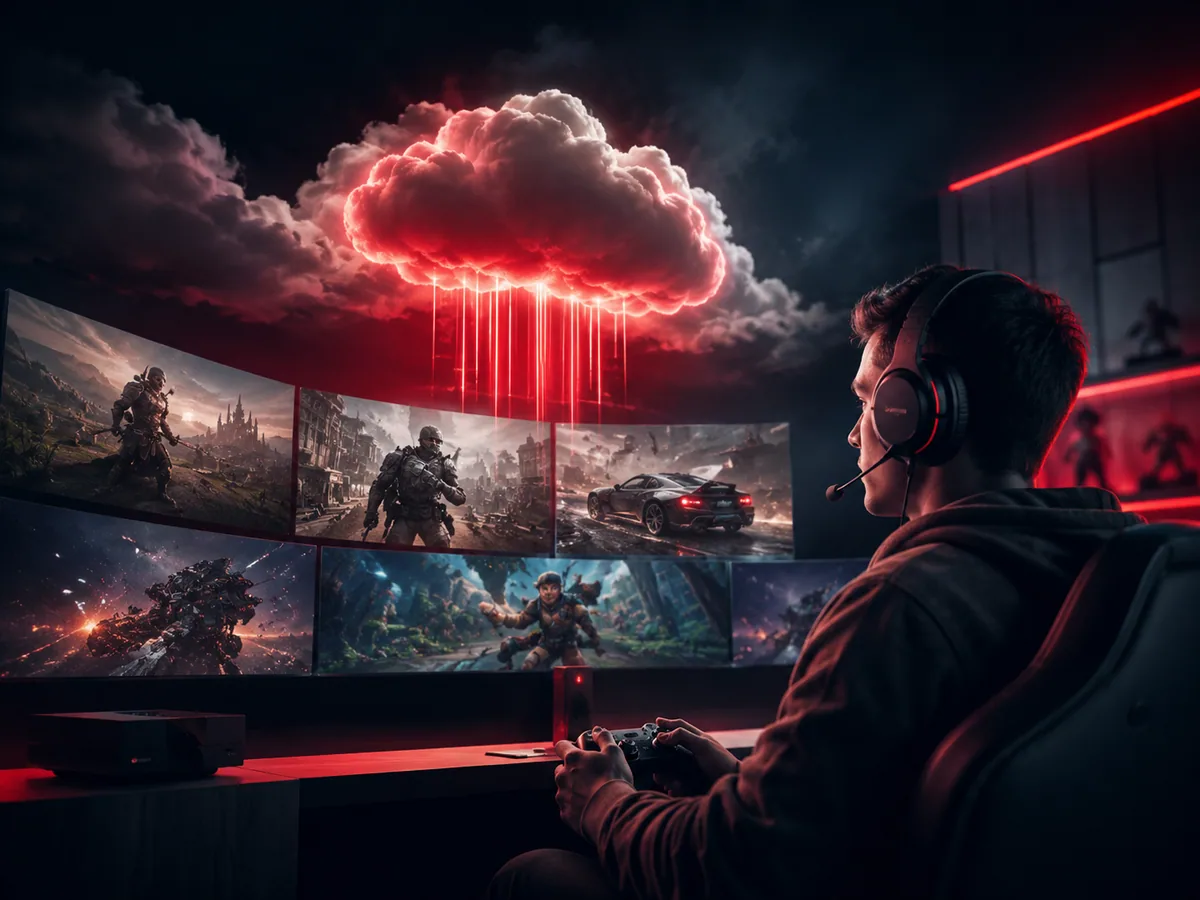
Services like Xbox Cloud Gaming, PlayStation Plus Premium's cloud functionality, and emerging competitors have transformed the value proposition. You can now boot up the latest AAA title on your aging laptop, your smartphone, your tablet, or even your smart TV without owning dedicated gaming hardware. For players in developing markets or those with limited budgets, cloud gaming removes the massive barrier of entry that expensive consoles and gaming PCs traditionally represented.
The practical implications are revolutionary. Gamers can start a session on their home console and seamlessly continue on their mobile device during their commute. Parents no longer need separate gaming devices for every family member - cloud gaming means any display with internet access becomes a gaming platform. This accessibility is particularly transformative in regions where hardware costs represent a significant portion of household budgets.
Graphics fidelity and performance have also reached parity with local gaming in most cases. While frame rate champions might still prefer local hardware for competitive esports, the gap has narrowed dramatically. For single-player campaigns, narrative experiences, and cooperative gaming, cloud technology now delivers the full experience.
3. Cross-Platform Play: Breaking Down the Walls Between Gaming Communities
The era of platform exclusivity in multiplayer gaming is largely over. In 2026, cross-platform play has evolved from a novel feature to a baseline expectation. Games that launch without cross-play support are now the exception rather than the rule, and player communities are significantly more connected as a result.
This trend represents a fundamental shift in how the gaming industry approaches multiplayer design. In previous generations, exclusive multiplayer ecosystems were seen as competitive advantages - reasons to buy a particular console or platform. PlayStation players couldn't play with Xbox players; PC gamers were segregated from console gamers; mobile gamers existed in their own isolated bubble.
Today, studios recognize that the stronger competitive advantage lies in unified player communities. Larger player populations mean shorter matchmaking times, more diverse skill levels, and fundamentally more vibrant multiplayer ecosystems. Games like Fortnite, Call of Duty, and Valorant have demonstrated that cross-platform communities are not only viable but actually preferable to segmented ones.
The technical challenges that once made cross-platform play difficult have largely been solved. Account systems are more standardized, network infrastructure is more robust, and game engines are designed with cross-platform functionality as a core feature rather than an afterthought. Developers can now focus on the creative and competitive balance aspects rather than wrestling with platform-specific technical hurdles.
For players, the practical benefit is obvious: your gaming circle is no longer restricted by hardware choices. Console exclusivity still exists, but it's increasingly rare and more controversial among gaming communities. The ability to play with friends regardless of whether they chose PlayStation, Xbox, PC, Nintendo, or mobile platforms has fundamentally changed how gaming communities form and persist.
4. Subscription Services: The Entertainment Model Reshaping Game Access
Gaming subscription services have matured from novelty offerings into the primary distribution mechanism for significant segments of the gaming audience. In 2026, the subscription model is shaping not just how players access games, but how developers create them, how publishers structure their catalogs, and how the entire economic structure of the industry functions.
The competitive landscape features major players including Xbox Game Pass, PlayStation Plus (with its tiered subscription structure), and various other regional and specialized services. This competition is fundamentally beneficial for consumers - unlike the early days when subscription adoption was slow, 2026 sees genuine competition driving continuous value improvements.
Day-one release policies have become increasingly common, where major AAA titles launch directly into subscription services on their release date. This represents a seismic shift in industry economics, as studios can no longer rely exclusively on upfront purchase revenue. Instead, the subscription model incentivizes creating engaging, replayable experiences that keep players subscribed month after month.
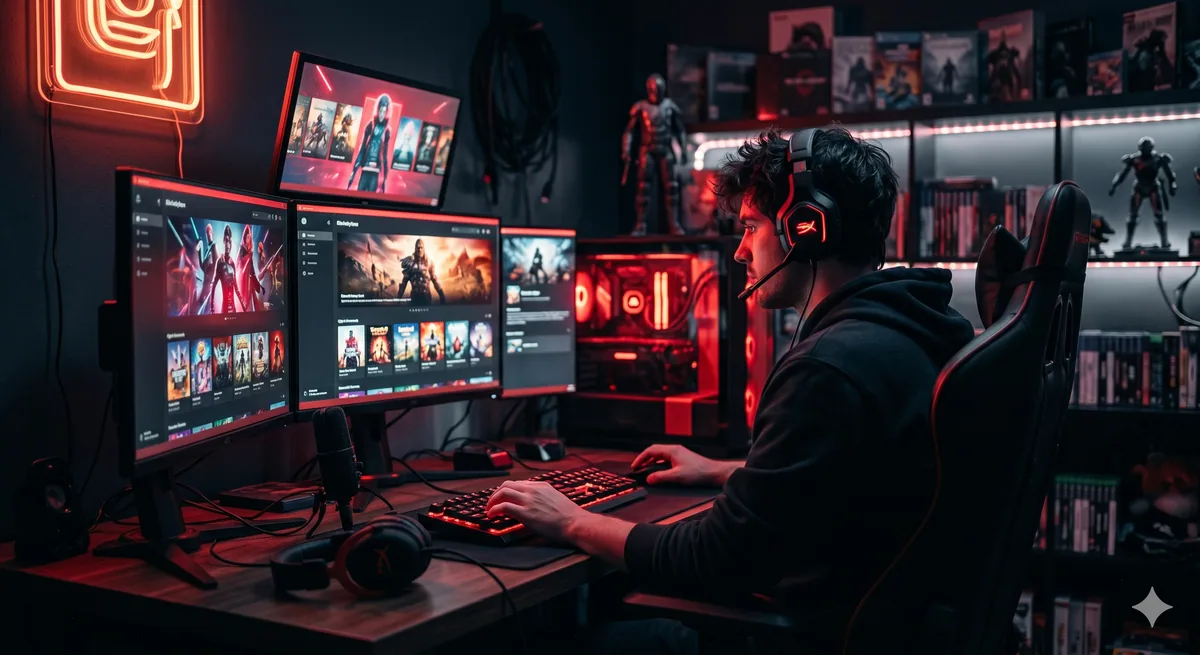
The catalog expansion wars are particularly intense. Services are aggressively acquiring exclusive titles, expanding into back catalogs, and offering curated collections targeting specific player segments. This means subscription services in 2026 offer substantially more variety and value than they did just two years prior.
However, the subscription trend also raises questions about game preservation and ownership. Players increasingly "own" access rather than copies, creating concerns about what happens if services shut down or licensing agreements expire. The long-term implications for video game preservation remain a point of legitimate concern within gaming communities.
5. Southeast Asian Market Explosion: The Gaming Industry's Most Dynamic Region
The Southeast Asian gaming market has transitioned from an emerging opportunity to the primary growth engine driving the global gaming industry. In 2026, the region commands significant attention from major publishers, investors, and platform providers precisely because the demographic and economic conditions are creating perfect conditions for gaming market expansion.
Indonesia, Philippines, and Vietnam are leading this regional growth, driven by several interconnecting factors. Mobile gaming has achieved penetration rates exceeding 70% in urban areas, with smartphone adoption continuing to climb. Unlike Western markets where gaming penetration plateaued years ago, Southeast Asia represents genuinely new audience segments discovering games for the first time.
The infrastructure improvements enabling this growth are substantial. While internet speeds remain variable, the combination of improved mobile networks, cheaper data plans, and increased wifi coverage has made consistent gaming connectivity a reality for hundreds of millions of new players. Regional server infrastructure investments from major platforms mean lower latency and more reliable service.
Payment solutions represent another crucial factor. Local payment options - mobile money, regional digital wallets, installment plans - have made purchasing games and in-game content far more accessible than relying on international credit cards. This localization of the purchasing experience has directly translated to increased spending and higher monetization rates.
Esports investment in Southeast Asia has exploded, with major tournaments, franchise teams, and professional player development programs creating aspirational pathways that inspire gaming adoption. Games like Mobile Legends, VALORANT, and Dota 2 have built massive competitive scenes in the region, further driving mainstream gaming adoption and engagement.
The cultural shift is equally significant. Gaming is increasingly seen as a legitimate form of entertainment and even profession across Southeast Asia, removing social stigma that previously existed. Parents are more accepting, schools increasingly recognize esports, and media coverage has normalized gaming as a mainstream leisure activity.
Practical Tips: Navigating Gaming Industry Trends in 2026
Embrace subscription services strategically. Rather than subscribing to every service simultaneously, rotate subscriptions based on your gaming interests. Most services offer free trial periods - use them to explore catalogs before committing. Track which services offer the games you actually want to play, and don't hesitate to pause subscriptions during slower periods.
Take advantage of cross-platform capabilities. If you enjoy multiplayer gaming, choose games that support cross-platform play and communicate with friends about their platform preferences. Don't let platform loyalty prevent you from gaming with your community.
Experiment with cloud gaming. Test cloud services during free trials to assess whether your internet connection provides satisfactory performance. For single-player and cooperative gaming, cloud services often provide excellent value without requiring hardware investment.
Stay informed about AI-enhanced games. Pay attention to how developers use AI in games you play. Understanding the technology helps you appreciate the design choices in modern games and provides context for industry discussions about AI's role in gaming.
Support diverse developers. The democratization of game development tools means more diverse voices can create games. Actively seek out indie games and titles from underrepresented regions, particularly from Southeast Asian developers who are producing increasingly sophisticated and culturally significant works.
Frequently Asked Questions
Will cloud gaming completely replace local gaming hardware?
Unlikely. While cloud gaming continues to improve, local hardware offers advantages for competitive gaming, offline play, and users with inconsistent internet. The future more likely involves coexistence, with players choosing based on preferences and circumstances. Competitive esports will probably continue favoring local hardware, while casual and narrative-driven gaming increasingly migrate to cloud platforms.
Are game subscription services actually better value than purchasing individual games?
It depends on your playing habits. Heavy players who finish multiple games monthly typically save money with subscriptions. Casual players who replay few games might save more by purchasing selectively. Calculate your personal gaming habits: if you typically play 2-3 full games monthly, subscriptions usually provide better value. If you play one game for months, purchasing might be cheaper.
How will AI in game development affect job opportunities for game designers and programmers?
While AI handles routine tasks, it's creating new opportunities in AI training, specialized design roles, and quality assurance. The industry is shifting rather than shrinking. Designers who understand AI tools and can leverage them effectively are increasingly valuable. The studios struggling most are those attempting to replace human creativity entirely, rather than augmenting it.
Is Southeast Asia's gaming growth sustainable long-term?
Demographic trends suggest yes. With young populations, increasing internet access, and growing middle-class spending power, Southeast Asia's gaming market should continue expanding for at least the next decade. However, growth rates will likely moderate as markets mature, similar to what occurred in North America and Europe.
Conclusion: Staying Ahead of Gaming's Evolution
The gaming industry trends shaping 2026 represent one of the most transformative periods in gaming history. From AI revolutionizing how games are made to cloud
Pro Tips from the Digidang Team
Based on the Digidang team's experience handling thousands of gaming transactions every month since 2020, here are the tips we share most often with our loyal customers.
- Verify info across multiple sources: Gaming news is often published fast with little verification. Check 2-3 credible sources before trusting a rumor.
- Subscribe to official channels: For official launches and events, follow publisher Twitter accounts and community Discords directly rather than leakers.
- Wait for post-launch reviews: Many games get 8/10 in pre-launch reviews and drop to 6/10 a week later. Check community feedback 7-14 days post-launch before buying.
- Back accounts with 2FA: Before any big transaction or device change, make sure 2FA is active on all your gaming accounts (Steam Guard, Riot Authenticator, etc.).
- Track price history: Use a price tracker like IsThereAnyDeal to see historical prices. Avoid buying when prices are spiking before an event.
Why Buy Gaming Products at Digidang
As a digital gaming marketplace operating since 2020, Digidang is built by and for Indonesian gamers. Here's why thousands of gamers trust Digidang for their top-up and gift card needs:
- Competitive pricing: We continuously monitor other marketplace prices and adjust so you always get the best deal without hidden cost drama.
- Instant automated process: Digital codes arrive in your inbox in minutes, not hours or days. We know gamers want to play right away.
- 24/7 customer service: Our support team is ready to respond via WhatsApp and email anytime. Not a bot - you chat with humans who understand gaming.
- Safe and trustworthy: Payments are processed via official payment gateways (Midtrans, Xendit), not personal transfers. Your data is protected with 256-bit SSL encryption.
- Complete product variety: From Mobile Legends, PUBG, Genshin Impact top-ups, to Steam, Roblox, PlayStation gift cards - all available on one platform.
- Active community: Digidang has an active Discord and Instagram community sharing tips, builds, and discussions about Indonesian gaming.
Check the Digidang catalog to see all available gaming products, or visit our about page to learn more about Digidang's mission to build a healthy Indonesian gaming ecosystem.
David Chen
Gaming enthusiast and marketplace expert sharing tips, guides, and the best gaming deals.